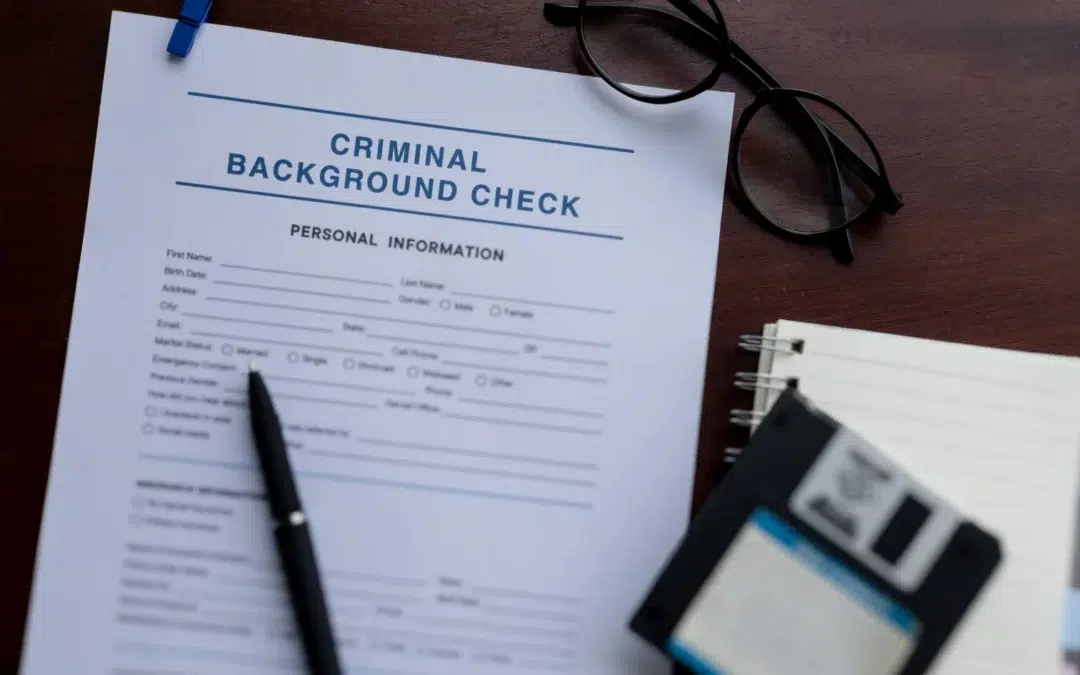
Have you recently been asked to provide a background check in Ontario for a new job, a volunteer position, or an international venture?
A request for a police record check is frequently included in the onboarding papers when you receive a new job offer or seek to volunteer with a community organization. In Canada, this is now considered routine due diligence since those looking for work or starting a job with a government agency must prove their reliability. You can apply for the appropriate kind of record check, steer clear of typical processing delays, and obtain your results with ease if you are aware of the background check Ontario procedure.
In this article, we will break down the background check Ontario system from top to bottom. We will cover the three types of police record checks under the Reform Act, how to apply online or through a local police service, when you need RCMP fingerprint services, and how these records interface with international document legalization. Whether you are navigating reference checks or trying to understand what shows up on a broad record check, this guide has you covered.
Need help with document apostille/legalization/authentication/attestation — and/or criminal record check in Canada? Contact us via our form, call us at +1-613-501-0555 (WhatsApp available) or +1-800-857-1215 (toll-free), fax us via 1-844-786-2001, or text us at info@lsccanada.ca.
Understanding the Police Record Checks Reform Act in Ontario
Before you request a police record check, it is vital to understand the legal framework governing how your personal information is handled. In Ontario, the Police Record Checks Reform Act sets strict rules regarding what information can be disclosed by a person and a police service during a screening search. This legislation was introduced to protect individual privacy rights, limit the disclosure of non-conviction details, and standardize how a record check from an applicant is requested and processed.
Under the reform act, there are explicit limits on sharing mental health information, casual police contacts, and non-conviction data. Historically, a broad record check might have included every single contact an individual had with local police, even if they were never charged with an offence or if the contact was related to a mental health crisis. Today, the act ensures that info about every contact is heavily restricted, focusing primarily on formal criminal convictions, findings of guilt, and outstanding court matters.
Furthermore, the law outlines how historical youth records are treated under the Youth Criminal Justice Act and how older provincial files fall under the Youth and Family Services Act. Strict limits apply to disclosing guilt under the youth criminal system to ensure past mistakes made as a minor do not permanently hinder an adult applicant. When a background check Ontario search is performed, the police headquarters or regional police handling your file must adhere strictly to these guidelines before issuing a written record to the applicant.
The Three Distinct Types of Police Record Checks
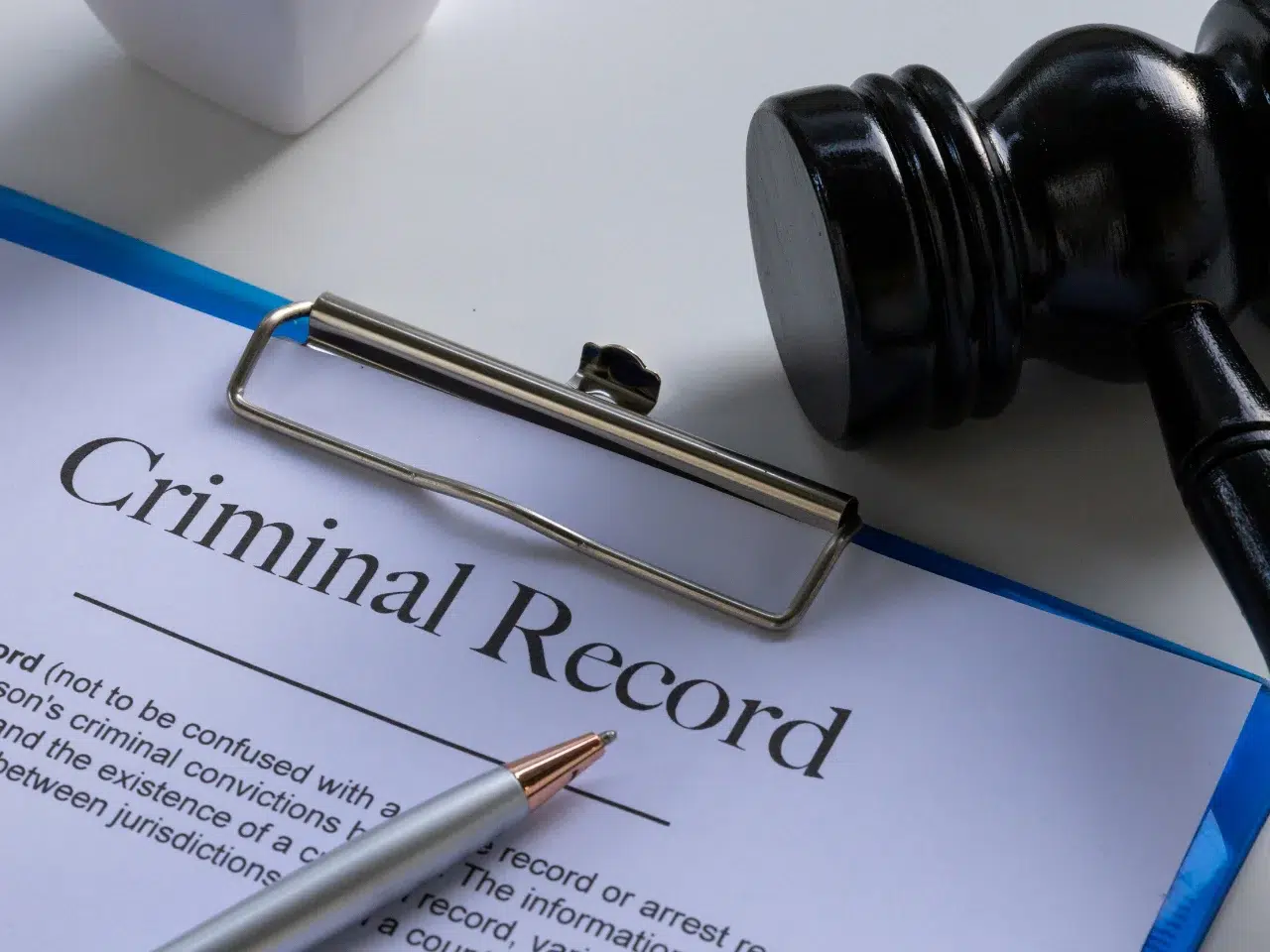
Not all background checks are created equal. Depending on the responsibilities of the role you are applying for, you will need to request a specific type of police record check. Requesting the incorrect type can result in a rejected application, forcing you to pay fees twice and restart the process. The Ontario provincial framework divides screening into three distinct categories.
1. Criminal Record Check (Level 1)
The simplest level of screening is the typical criminal background check. This check is mostly utilized for regular people looking for jobs in low-risk settings or for simple corporate administrative positions. It entails a simple search using the applicant’s name and birthdate in the RCMP’s national database of criminal records.
This type of police record check will disclose summary and indictable criminal convictions that have not received a record suspension, as well as active findings of guilt under the federal Criminal Records Act. It does not include outstanding charges, warrants, or interactions with local police.
2. Criminal Record and Judicial Matters Check (Level 2)
The criminal record and judicial matters check goes a step further than Level 1. This broad record check is frequently required by employers managing sensitive corporate data, real estate agencies, or security sectors.
A Level 2 search shows unresolved charges, arrest warrants, court orders, peace bonds, and absolute or conditional releases that are still within their retention periods. Furthermore, it provides a more comprehensive picture of the continuous dealings of the applicant with the court and legal system.
3. Vulnerable Sector Check (Level 3)
The vulnerable sector check is the most comprehensive and restrictive type of record check available. It is specifically designed for individuals who will be working or volunteering in positions of trust or authority over vulnerable person groups, such as children, the elderly, or people with disabilities. Because of its sensitive nature, a third-party private screening company cannot perform a true Level 3 check; the applicant must apply online or in person directly through the specific regional police service or local police department in the jurisdiction where they live.
A vulnerable sector check includes all the details of a Level 2 check, plus a search for any sexual offence convictions that have received a record suspension (formerly known as a pardon). It also permits a review of non-conviction information, which is subject to police discretion if there is a demonstrated pattern of behaviour that poses a risk to vulnerable populations. Due to its strict regulations, you cannot simply request this check on a whim; you must provide a formal letter from the agency or employer stating exactly why they require a criminal check at the vulnerable sector level.
Need help with document apostille/legalization/authentication/attestation — and/or criminal record check in Canada? Contact us via our form, call us at +1-613-501-0555 (WhatsApp available) or +1-800-857-1215 (toll-free), fax us via 1-844-786-2001, or text us at info@lsccanada.ca.
Step-by-Step Guide: How to Apply for a Police Record Check in Ontario

The process to apply for a police record check has been modernized significantly, allowing most applicants to complete their requests without physically visiting a police station. Here is the typical workflow to secure your background check Ontario document.
1. Determine the Jurisdiction and Choose Your Method
Finding the appropriate law enforcement body is the first step. The local police department or regional police force that has jurisdiction over your area must receive your request. For example, you apply to the Toronto Police Service if you live in Toronto, and you utilize the Ottawa Police Service if you live in Ottawa. While some regions may still require you to turn in paper forms at their local police headquarters, many enable you to complete an online application straight through their specific web portals.
2. Complete Personal Identification and Identity Verification
Both online and in-person applications require the applicant to submit accurate personal information, including the exact date of birth, gender, full address history, and any prior surnames or maiden names. Two legitimate forms of government-issued identification, at least one of which must contain a photo (such as an Ontario photo card, driver’s license, or Canadian passport), are required to verify your identity. To verify that you are who you claim to be, online portals frequently use electronic identity verification questions based on credit bureau records.
3. Processing Timelines and Receiving Your Results
Next, the law enforcement agency performs the required queries across the Canadian Information Center database and local indices after the submission is complete and payment has been processed. Depending on the platform, an online police record check can frequently be completed in a matter of days or even minutes for a simple name and date of birth search with no matching results. The final product, which summarizes the results of the background search, is released as an official written record, either as a stamped physical paper or a secure digital PDF.
When Do You Need Fingerprint Services and RCMP Real-Time Identification?
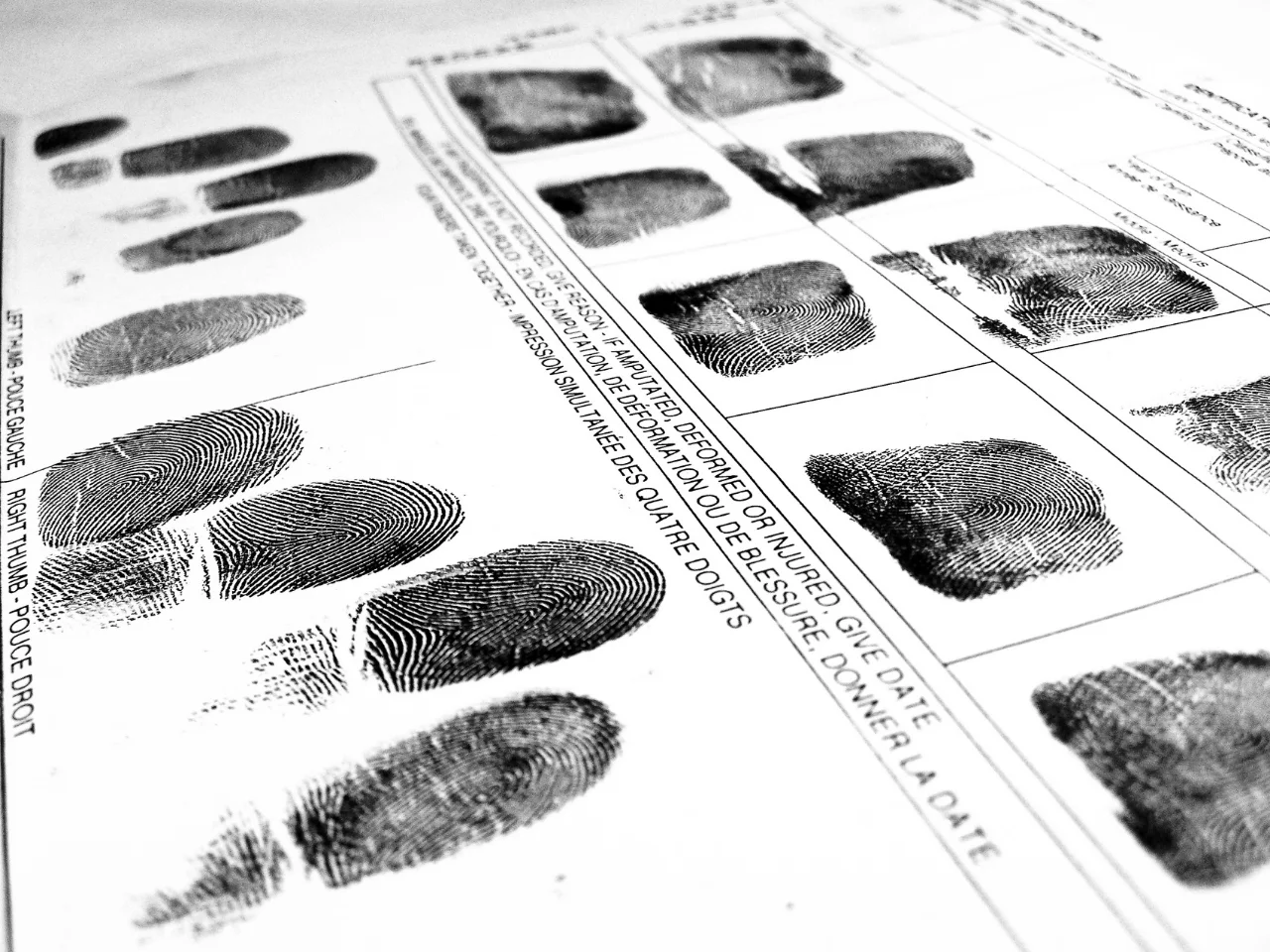
In some cases, a standard search using only your name and date of birth is insufficient. If a query yields a potential match in the national repository of criminal records, or if you are applying for specialized international procedures like an intercountry adoption act pathway or a permanent residency registration, you will be required to submit a digital fingerprint.
Real Time Identification (CCRTIS) is a sophisticated biometric tracking technology used by the Royal Canadian Mounted Police (RCMP). Your personal metrics are electronically sent straight to the RCMP national database in Ottawa after being taken by local police or an authorized fingerprinting company. By doing this, the uncertainty of a name match is removed, guaranteeing that people with similar names and dates of birth are not mistakenly given someone else’s criminal history.
Do not panic if your Ontario background check application results in a fingerprint request. It simply means that in order to definitively cross-reference the national files, your prints must be captured by a certified agency. The RCMP issues a Canadian Criminal Record Check Certificate from Ottawa RCMP on safe, watermarked paper after comparing the fingerprints to their records. If you want to use your Canadian background check outside of Canada, you usually need this verified document, which is the gold standard for official records.
International Document Usability: The Canada Apostille Process
Obtaining your background check is often just the first step if you are preparing to move abroad, teach English internationally, accept a corporate transfer overseas, or register a foreign marriage. A standard police check printed from a local police web portal will generally not be recognized by foreign governments or embassies on its own. It must undergo formal legalization.
On January 11, 2024, Canada became one of the country’s signatories to the Hague Apostille Convention. The processing of public documents for use abroad was completely transformed by this significant shift. Previously, Canadians had to go through a laborious, multi-step process that included physical submission to the destination country’s embassy after authenticating with Global Affairs Canada.
Now, if you are travelling to or conducting business in any of the over 120 participating countries in the Hague Apostille Convention (such as the United States, the United Kingdom, Australia, most of Europe, or South Korea), your document simply requires an official Apostille certificate. This single certificate, issued by a competent authority such as Global Affairs Canada or a provincial ministry, confirms the authenticity of the signature and seal on your background check, making it instantly valid for use in any other member nation.
However, your background check must go through the conventional full legalization procedure if your destination nation is not a member of the Hague Convention. This means that your document must be sent straight to the local embassy or consulate for attestation after being verified by the relevant Canadian competent authority. Working with a dedicated documentation specialist is highly suggested because handling these particular international requirements can be very challenging.
Streamlining Your Canadian Document Authentication and Criminal Record Checks with LSC

Legalization Service Centre (LSC) has been a leading partner for document authentication and legalization since 2009, offering clients in Canada and around the world more than 15 years of experience. Whether you have business documentation, a municipal police record check, or an Ottawa RCMP Criminal Record Check Certificate, our knowledgeable staff offers expert advice specific to your foreign destination.
With turnaround times for an official apostille of as low as one business day, our customer-centric approach ensures quick processing. So you can focus on your upcoming international trip, let us handle the administrative red tape.
Need help with document apostille/legalization/authentication/attestation — and/or criminal record check in Canada? Contact us via our form, call us at +1-613-501-0555 (WhatsApp available) or +1-800-857-1215 (toll-free), fax us via 1-844-786-2001, or text us at info@lsccanada.ca.