Have you ever been asked to provide a cremation certificate or burial document for use outside Canada and suddenly realized you have no idea where to start? For many families, this situation comes up during an already emotional and stressful time, often when handling international legal matters after a loved one’s passing.
A burial or cremation certificate may seem like just another piece of paperwork, but it is actually an important legal document. Whether you are dealing with estate matters abroad, transporting remains, settling international legal issues, or updating personal records in another country, these documents often need to be officially recognized outside Canada. That recognition usually requires an apostille or authentication process.
In this article, we’ll walk you through how to apostille a burial or cremation certificate in Canada, what these documents are, how they differ from a death certificate, and why notarization is required. We’ll also explain common scenarios where you may need a cremation certificate, what authorities are involved, and how to avoid delays.
Need help with document apostille/legalization/authentication/attestation — and/or criminal record check in Canada? Contact us via our form, call us at +1-613-501-0555 (WhatsApp available) or +1-800-857-1215 (toll-free), fax us via 1-844-786-2001, or text us at info@lsccanada.ca.
What Is a Cremation Certificate and Why Is It Important?

A cremation certificate is a document issued after the cremation process is complete. It contains important information on the deceased and the cremation itself, as well as confirmation that the cremation has occurred. Whether the service involves direct cremation or another arrangement, the cremation certificate, which is issued by the crematorium following a cremation, verifies that all necessary procedures, including the cremation permit and cremation permission form, were correctly completed.
A cremation certificate doesn’t replace a death certificate. However, families may require a copy of a cremation certificate when addressing follow-up issues or responding to frequently asked questions because it is frequently necessary for legal or administrative reasons.
Although formats vary slightly by province, cremation certificates generally contain:
- Full name of the deceased
- Date and place of death
- Date the cremation occurred
- Name and location of the crematorium
- Confirmation that the cremation is complete
- Signature or seal of the issuing authority or crematorium
This certificate confirms that the cremation took place according to provincial legal requirements. It is an official document issued by the crematorium or relevant authority.
Why a Cremation Certificate Is a Very Important Document
A cremation certificate is not just for personal records. It often serves different purposes, including:
- Providing legal proof of death alongside a death certificate
- Supporting legal matters such as inheritance or estate settlements
- Allowing families to travel with remains or ashes
- Meeting airline requirements for transporting cremated remains
- Handling international end-of-life arrangements or scattering ashes abroad
Foreign authorities frequently refuse to accept documents unless they have been properly verified or apostilled. Because of this, a cremation certificate is a formal legal document that needs to be handled properly.
Cremation Certificate vs Death Certificate: Understanding the Difference
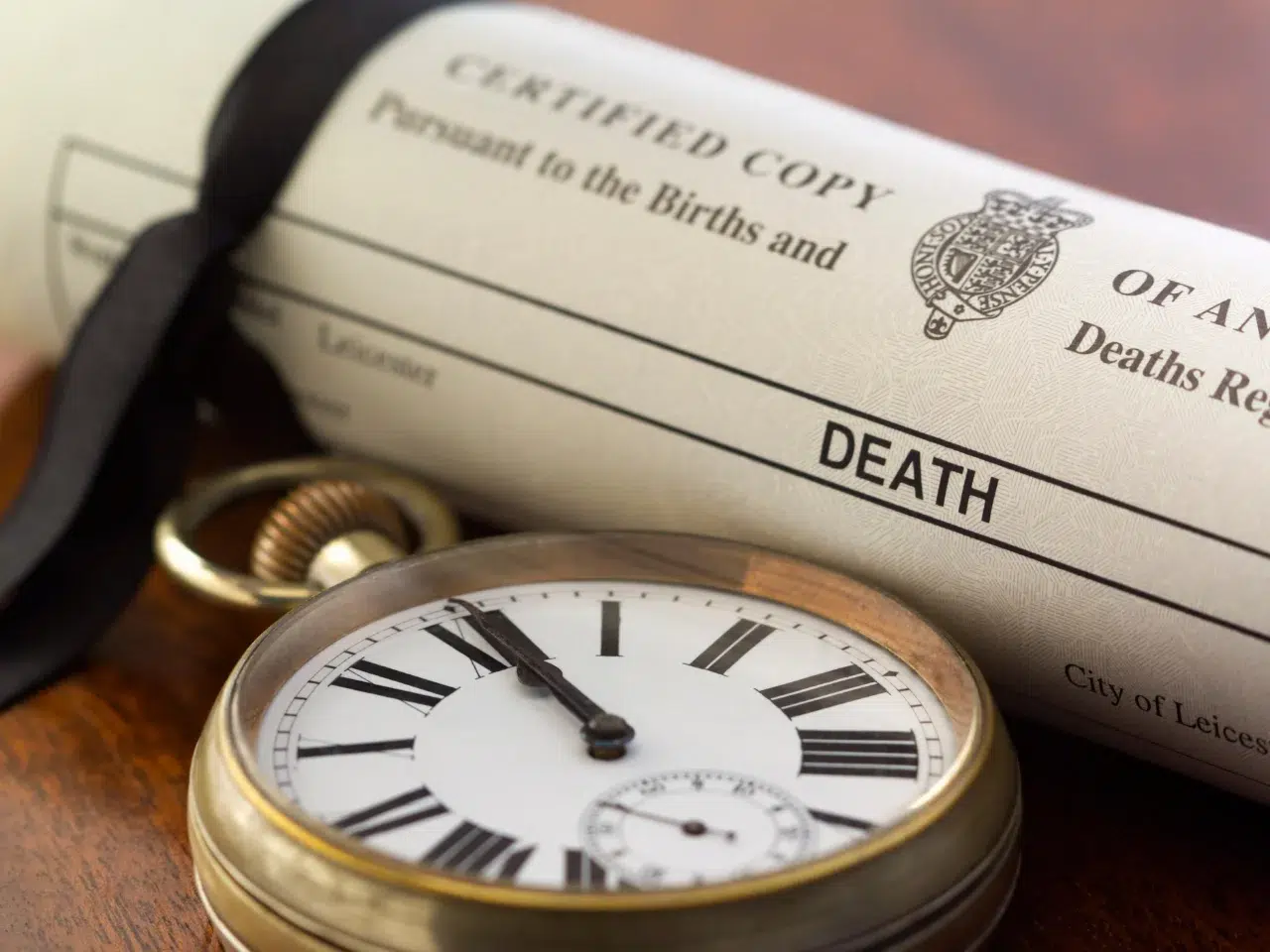
One of the most common sources of confusion is the difference between a cremation certificate vs death certificate. While related, they serve different purposes.
Death Certificate Issued by Vital Statistics
A death certificate is issued by the provincial or territorial registrar through vital statistics. It confirms:
- The fact of death
- The cause of death (depending on the type of certificate)
- The date and place of death
This document is often needed for banks, government benefits, and insurance claims.
Certificate of Cremation
A certificate of cremation verifies that the cremation process has occurred. It does not replace a death certificate and usually does not list the cause of death in detail. In short:
- Death and cremation certificates are separate documents
- You often need both for international use
- One document does not automatically substitute for the other
When applying for an apostille, Global Affairs Canada typically requires the cremation certificate to be accompanied by a copy of the death certificate issued by the provincial statistics office.
When Do You Need a Cremation Certificate Apostilled?
You may need a cremation certificate apostilled when it must be recognized as an official legal document outside Canada.
Common Situations That Require an Apostille
- Transporting ashes internationally, including carry-on or cargo shipments
- Scattering remains in another country
- Handling international estate or probate matters
- Registering a death with foreign authorities
- Completing legal requirements related to burial or cremation documents abroad
Some countries require the cremation certificate to be authenticated by Global Affairs Canada, especially if it is used for official or legal purposes.
Burial or Cremation Documents That May Need Apostille
Not all documents are treated the same. Common burial or cremation documents that may require authentication or apostille include:
- Cremation certificate
- Burial permit or burial transit permit
- Coroner’s certificate
- Certain funeral home documents
It’s important to note that:
- A funeral director’s statement of death or an evidence of death certificate by itself is typically ineligible.
- The document must be properly issued and verifiable.
If you’re unsure which document you have, it’s best to confirm before starting the process.
Need help with document apostille/legalization/authentication/attestation — and/or criminal record check in Canada? Contact us via our form, call us at +1-613-501-0555 (WhatsApp available) or +1-800-857-1215 (toll-free), fax us via 1-844-786-2001, or text us at info@lsccanada.ca.
How to Apostille a Cremation Certificate in Canada

Even if the process could appear challenging, it is manageable if it is divided into manageable parts, especially with professional help.
Step 1: Confirm the Document Is Eligible
First, confirm that the cremation certificate was issued in Canada, is an official document, and hasn’t been destroyed, altered, or laminated. Remember that photocopies and scanned copies are typically not acceptable unless properly notarized.
Step 2: Notarize Cremation Certificate
In order to proceed with Global Affairs Canada, this step is required. Before undergoing an apostille or authentication, the document needs to be notarized by a Canadian notary public. Notarization is essential since it allows the appropriate authorities to verify the document’s authenticity. Documents pertaining to burial or cremation must be notarized before being submitted.
Step 3: Provide a Copy of the Death Certificate
You must submit a copy of the death certificate from the province or territorial vital statistics office in addition to the cremation certificate. This helps confirm identity, death details, and legality.
Step 4: Request Apostille or Document Authentication
In this step, the notarized documents are subsequently sent to Global Affairs Canada or the relevant provincial competent body, depending on the type of document.
Since Canada joined the Hague Apostille Convention on January 11, 2024, documents destined for member countries can receive an apostille instead of full legalization.
Step 5: Receive the Apostilled Certificate
And lastly, you will receive an authorized or apostilled cremation certificate that can be used for legal, personal, or administrative purposes abroad.
What You Should Know Before Using a Cremation Certificate Overseas
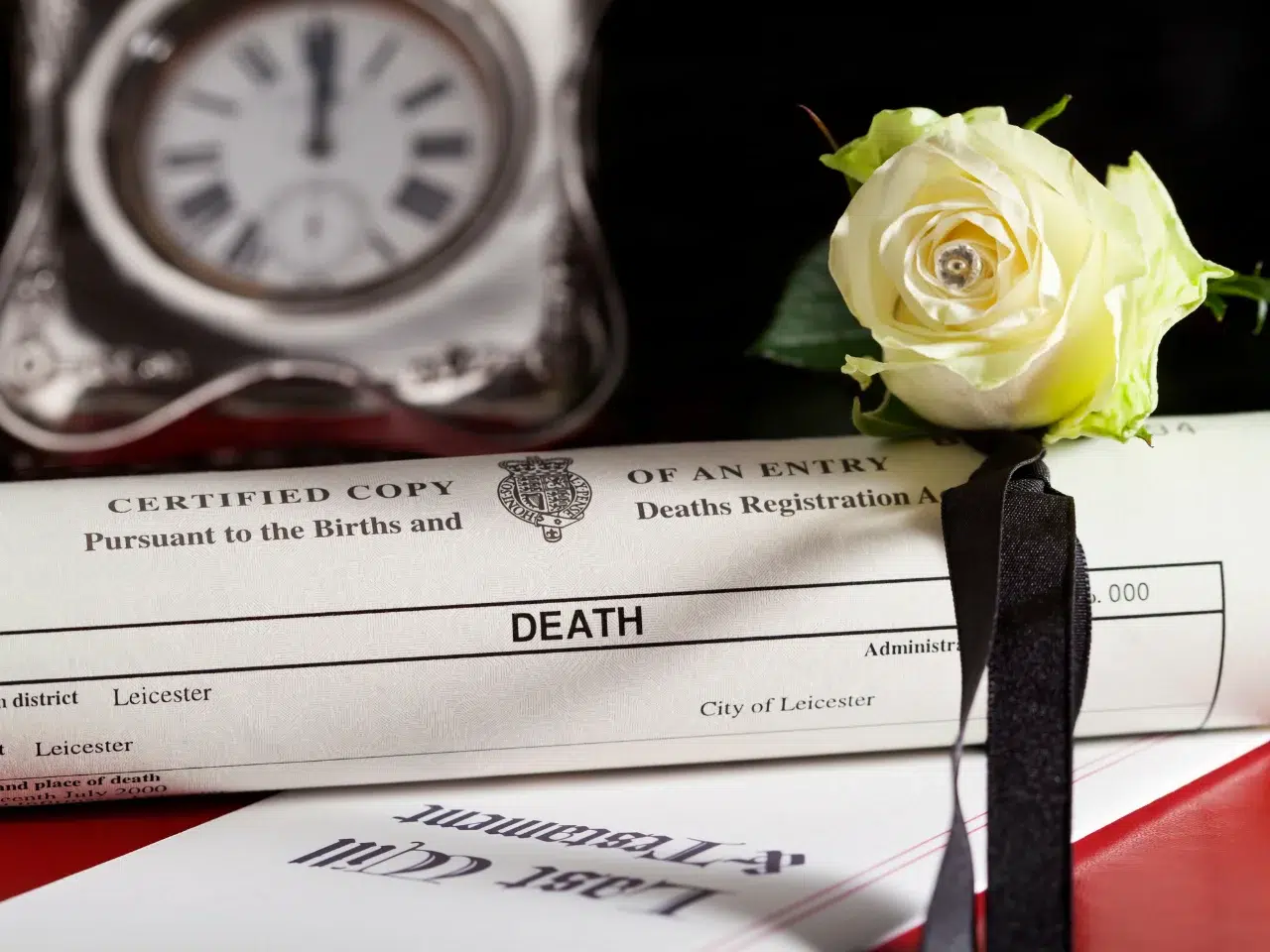
It is crucial to comprehend how foreign authorities frequently examine burial or cremation papers before submitting a cremation certificate for apostille or verification. Rather than the certificate being inaccurate, many delays are caused by one small criterion being overlooked.
Not All Countries Treat Cremation Certificates the Same Way
Even though a cremation certificate is an official legal document in Canada, other countries may use it differently. Some authorities rely on it only as supporting evidence, while others require it as a primary document—especially for:
- Transporting cremated remains
- Scattering ashes in another country
- Registering a death with the relevant authorities abroad
This is why it’s important to confirm whether the destination country requires the cremation certificate alone or accompanied by the death certificate and other documents.
Original, Certified Copy, or Notarized Copy?
A common point of confusion is which version of the document is acceptable. In most cases:
- A certified copy or a notarized copy is required
- Plain photocopies are usually not accepted
- Documents must be intact (no lamination, staples, or alterations)
Moreover, verifies that the cremation certificate is an authentic copy of the original and enables Global Affairs Canada to certify it if it was issued by the crematorium.
Why Timing Matters After Cremation Is Complete
Families frequently require paperwork as soon as the cremation process is finished for travel or legal purposes. But hurrying without verifying requirements can lead to problems. You could require more time if:
- The death certificate has not yet been issued by the vital statistics
- The certificate must be reissued with corrected details
- Additional copies are required for different purposes
Making plans in advance ensures that the cremation certificate can be used overseas or in court.
Cremation Certificates Are Often Used With Other Documents
A cremation certificate rarely stands alone. It is commonly submitted alongside:
- A death certificate issued by the province or territory
- A coroner’s certificate, if applicable
- A burial permit or burial transit permit
These documents provide a complete legal record confirming the death, cremation, and final handling of remains.
Common Mistakes to Avoid About Cremation Certification
- Believing a cremation certificate isn’t necessary if you already possess a death certificate.
- Submitting documents that are not notarized.
- Sending certificates that have been changed or laminated.
- Forgetting to include the death certificate.
- Not confirming destination country requirements.
Each of these can delay or prevent successful authentication.
Why Choose Legalization Service Centre for Cremation Certificate Apostille?

Accuracy and efficiency are important when handling end-of-life papers. Legalization Service Centre has been managing delicate paperwork, such as burial and cremation certificates, for more than 15 years.
Trusted Expertise in Apostille and Authentication
With extensive experience working with Global Affairs Canada, the process is handled correctly from start to finish. Strong knowledge of provincial and territorial document requirements helps prevent delays or rejections. Different documents are prepared properly based on the specific rules of each destination country.
Fast, Reliable, and Nationwide Service
No matter where you are in Canada, you may get assistance with our quick, dependable, and national service. With offices and representatives across the country, documents are handled efficiently and accurately. Complete assistance is offered for documents meant for foreign use, and quick turnaround times are possible, even for urgent circumstances.
A Clear, Human Approach During a Difficult Time
We are aware that these records are connected to individual loss. You won’t have to go through the process alone since our staff treats every case with compassion, knowledge, and clarity.
Ready to Apostille a Cremation Certificate? We’re Here to Help
We know how it might be difficult to handle a cremation certificate for usage abroad, particularly if you’re already coping with grief and legal obligations. Fortunately, you don’t have to do it by yourself.
Whether you need help notarizing, authenticating, or obtaining an apostille for a burial or cremation certificate, Legalization Service Centre can guide you every step of the way.
Need help with document apostille/legalization/authentication/attestation — and/or criminal record check in Canada? Contact us via our form, call us at +1-613-501-0555 (WhatsApp available) or +1-800-857-1215 (toll-free), fax us via 1-844-786-2001, or text us at info@lsccanada.ca.