
Are you currently living in Canada but need to sell a property in Spain, manage a bank account in Italy, or handle an inheritance matter in Poland? An international power of attorney is a crucial legal and certified document that allows you to appoint someone you trust to act on your behalf when you are unable to physically be in another nation to sign documents.
In this article, we will tackle the different types of power of attorney documents, the legal requirements for creating one that works globally, and the step-by-step process of obtaining an apostille or authentication and legalization through Global Affairs Canada. Knowing and understanding how to properly notarize and validate your important documents ensures that your foreign business or any international endeavours proceed smoothly, regardless of whether you are dealing with financial matters, real estate, or personal property.
Need help with document apostille/legalization/authentication/attestation — and/or criminal record check in Canada? Contact us via our form, call us at +1-613-501-0555 (WhatsApp available) or +1-800-857-1215 (toll-free), fax us via 1-844-786-2001, or text us at info@lsccanada.ca.
PLEASE NOTE! If you urgently need to use a power of attorney in another country, we have a way to quickly legalize this document regardless of the Canadian province in which it was issued.
The fastest way to obtain an apostille is in Ontario — this can be done within a couple of days, compared to weeks in Alberta, British Columbia, Quebec, and so on. But to legalize a power of attorney in Ontario, does this document have to be issued in that province? Yes, but it is also acceptable to obtain an apostille for a notarized copy of this document made in Ontario. This makes it very easy and legal to speed up the possibility of using this document in any country in the world, literally dozens of times over.
Understanding the International Power of Attorney

A legal document known as a power of attorney (POA) grants one person (the attorney) the right to handle the affairs of another (the grantor). A typical Canadian power of attorney is valid in your home province. Still, when you require that document to be accepted by a foreign government or financial institution, things become a little more complicated. In these cases, your document must undergo a specific process to prove its authenticity to officials outside of Canada.
An international power of attorney is not a different “form” per se, but rather a Canadian power of attorney that has been prepared and “flagged” for use abroad. When you appoint someone to act on your behalf in a foreign country, that jurisdiction needs to know that the legal document you are presenting is 100% legitimate.
In Canada, a power of attorney is a document that can cover various needs. You might give another person the power to act regarding your financial matters, such as managing bank accounts or paying bills. Alternatively, a continuing power of attorney (often called a “durable” POA in other places) lets your attorney continue to manage your finances even if you become mentally incapable.
Why Jurisdiction Matters
It is important to remember that each province and territory in Canada has its own laws relating to powers of attorney. For example, the laws in Ontario regarding a power of attorney for property differ slightly from those in British Columbia or Quebec. When you are creating a power of attorney for international use, the attorney must comply with both the laws of the Canadian province where it is signed and the laws of the country where it will be used.
The Role of the Canadian Notary Public

Notarization is the first step toward making your POA usable outside of Canada. A notary public must witness your signature; you cannot just sign the document at your kitchen table.
A Canadian notary serves as an official witness who verifies your identity and ensures you are signing the document of your own free will. When notarizing your power of attorney, the notary will apply their signature and an official seal. This seal is the first “link” in the chain of trust. Without a proper notarization, Global Affairs Canada or provincial authorities will not be able to verify the document later.
Choosing the Right Person
When you consider appointing someone, it should be someone you trust implicitly. This person appointed will have the legal authority to manage your affairs, and in some cases, they can have total control over your finances and property. Due to the high stakes, many people seek legal advice to make sure the power of attorney instrument is structured with sufficient precision to safeguard their interests while granting the attorney the necessary ability to act.
Canada’s Accession to the Hague Apostille Convention
For decades, the authentication and legalization process in Canada was a slow, two-step “red tape” nightmare. You had to get a document authenticated by Global Affairs Canada and then take it to the embassy of the destination country for legalization.
However, a major change occurred recently. Canada became a party to the Hague Apostille Convention on January 11, 2024.
What is an Apostille?
An apostille is a simplified certificate that confirms the document is authentic. Under the Hague Apostille Convention, a public document (like a notarized POA) that receives an apostille in Canada is automatically recognized in over 125 other member countries.
You only need to get an apostille if you are mailing a power of attorney to Spain, France, or the United States. Your Canadian documents will be ready for use abroad considerably more quickly thanks to this single stamp, which eliminates the previous need for embassy legalization.
Need help with document apostille/legalization/authentication/attestation — and/or criminal record check in Canada? Contact us via our form, call us at +1-613-501-0555 (WhatsApp available) or +1-800-857-1215 (toll-free), fax us via 1-844-786-2001, or text us at info@lsccanada.ca.
The Step-by-Step Authentication and Legalization Process
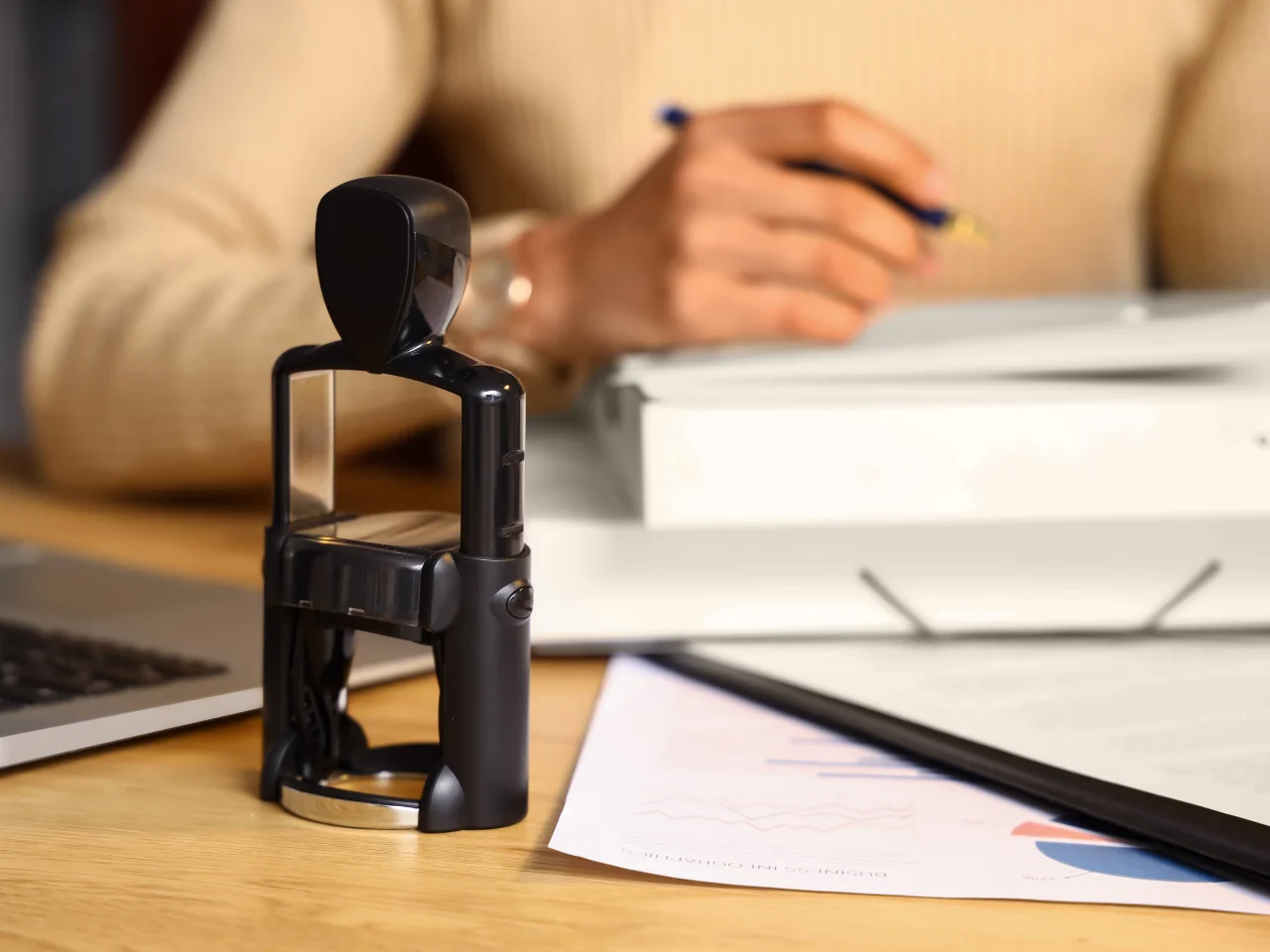
Even though the apostille has made things easier, if you are shipping documents to a nation that is not a party to the Hague Convention (such as the UAE, Qatar, or China), the authentication and legalization procedure still needs to be followed.
Here is how the power of attorney can take shape from a simple paper to a globally recognized legal document:
1) Drafting: Make sure the power of attorney type satisfies the other nation’s criteria. (For instance, certain language used in a real estate transaction).
2) Notarization: Have a notary public in your province and territory notarize the document.
3) Authentication: Send the notarized document to the competent authority. This could be the Ministry of Public and Business Service Delivery in Ontario or Global Affairs Canada in Ottawa.
4) Apostille or Legalization:
- If the country is a Hague member, the authority issues an apostille.
- If it is not a member, the document is authenticated, and you must then send it to the foreign consulate for legalization.
Common Documents That Require This Process
While we are focusing on the poa, many other Canadian international documents require similar steps:
- Canadian power of attorney
- Birth, Marriage, or Death Certificates
- University Degrees and Transcripts
- Criminal Record Checks (RCMP)
- Corporate and Commercial Contracts
Why Professional Legalization Services Are Essential

The process of getting a power of attorney authenticated can be a logistical headache. If the notary signature doesn’t match the records at Global Affairs Canada, or if you use the wrong type of document for a specific jurisdiction, your document will be rejected. This can cause weeks of delays in your financial affairs or real estate closings outside of Canada.
Your advocate is a professional legalization service. We make sure your document satisfies all standards before it even reaches a government desk because we are aware of the particular needs for various POAs. We take care of the back-and-forth with several provincial agencies and Global Affairs Canada, so you don’t have to.
Navigating Different Provincial Rules
Since every territory has its own laws, the way a power of attorney is governed can vary. For example, notarizing your power of attorney in Quebec involves a different set of officials than in Alberta. Using an expert service ensures that regardless of where you are across Canada, your overseas power of attorney is handled correctly according to local and international standards.
Key Considerations Before You Sign
Before you give another person the power to act, keep these practical considerations and tips in mind.
- Specify the Scope. Indicate exactly what authority you are giving your representative. You can limit the person’s actions to a certain task, such as selling a single piece of property, by selecting a “Special” or “Limited” power of attorney. This focused approach is often much safer for international transactions, as it prevents the person you name from having unintended access to your other assets.
- Translation Needs. Even if your document with an apostille is accepted, the foreign country will likely require a certified translation into their local language to be fully processed by local authorities.
- Check Expiry. Some jurisdictions have specific laws relating to powers that state a POA is only valid for use for a certain period, such as six months from the date of the Canadian notary seal.
- Confirm Acceptance. Before spending time and money to obtain an apostille, verify with the bank, notary, or lawyer in another country that they will use the power of attorney in the specific format you have prepared.
Whether you are a homeowner who has moved to Canada and needs to manage property back home, or a Canadian citizen investing abroad, having your power of attorney valid and ready is the only way to ensure your interests are protected.
Secure Your International Interests with Legalization Service Centre

Navigating the complexities of authentication and legalization is not something you should do alone. At Legalization Service Centre, we have over 15 years of experience helping Canadians ensure their Canadian power of attorney is authenticated and legalized for use in any jurisdiction worldwide.
Since Canada joined the Hague Apostille Convention, we have helped thousands of clients obtain an apostille in record time, sometimes as fast as one business day. We work with Global Affairs Canada and all provincial authorities to ensure your legal authority is never questioned abroad. Don’t let a missing stamp or a notary error derail your financial matters or overseas plans. Let us handle the paperwork while you focus on your international adventure.
PLEASE NOTE! If you urgently need to use a power of attorney in another country, we have a way to quickly legalize this document regardless of the Canadian province in which it was issued.
The fastest way to obtain an apostille is in Ontario — this can be done within a couple of days, compared to weeks in Alberta, British Columbia, Quebec, and so on. But to legalize a power of attorney in Ontario, does this document have to be issued in that province? Yes, but it is also acceptable to obtain an apostille for a notarized copy of this document made in Ontario. This makes it very easy and legal to speed up the possibility of using this document in any country in the world, literally dozens of times over.
Ready to Validate Your Power of Attorney for International Use?
Avoid allowing complex administrative hurdles to interfere with the management of your global interests and overseas assets. Our team at Legalization Service Center is prepared to offer the prompt, dependable assistance you require, whether you are handling a company filing, an estate matter, or a real estate sale.
Importantly, since your attorney is a legal document that is governed by the laws of both Canada and the destination country, it is vital that every signature and seal is perfectly in place. We ensure that your power of attorney is valid and that the document used meets every international standard so that the person you name is empowered to act without issue. Our specialists verify that your attorney’s authenticated and legalized status is handled efficiently, allowing your attorney to take care of your affairs with complete peace of mind.
Need help with document apostille/legalization/authentication/attestation — and/or criminal record check in Canada? Contact us via our form, call us at +1-613-501-0555 (WhatsApp available) or +1-800-857-1215 (toll-free), fax us via 1-844-786-2001, or text us at info@lsccanada.ca.