
A decade ago, few Canadians considering moving to the Gulf looked past the Emirates. That has changed. Vision 2030 has opened sectors that were once closed to foreign specialists, and expats moving from Canada now choose Saudi Arabia for work alongside — or instead of — the more familiar options. For anyone who would want to move to Saudi for a few years, the window has rarely looked better.
The move is more manageable than its reputation suggests, but it rewards preparation. Documents need to be ready before you leave Canada, the residency system works differently from anything at home, and the cultural adjustment is real.
This guide covers the reasons to consider a move to Saudi Arabia, what it means to live and work there day to day, where to settle, the visa and iqama, and the paperwork that has to be done before you board.
Need help with document apostille/legalization/authentication/attestation — and/or criminal record check in Canada? Contact us via our form, call us at +1-613-501-0555 (WhatsApp available) or +1-800-857-1215 (toll-free), fax us via 1-844-786-2001, or text us at info@lsccanada.ca.
Reasons to Consider the Move

The case for living and working in Saudi Arabia rests on a handful of factors that repeat in almost every conversation with Canadians who have done it. In short, Saudi Arabia offers what few destinations can combine:
- Jobs in Saudi Arabia driven by Vision 2030. The national program to diversify the economy away from oil has created demand in construction, tourism, healthcare, technology, finance and education, alongside the traditional oil and gas sector
- Compensation packages. Salaries are typically quoted in SAR and often include a housing allowance, transport allowance and an end-of-service benefit
- No personal income tax on employment income, which changes the arithmetic for anyone coming from a high-tax province
- Large projects. Giga-projects such as NEOM and the developments around Riyadh draw international professionals on long contracts
- Location. Europe, Asia and Africa are all within a few hours’ flight
The disadvantages of living there are real too: summer heat, a different culture with firm social norms, and a residency system tied entirely to employment.
Life in Saudi Arabia
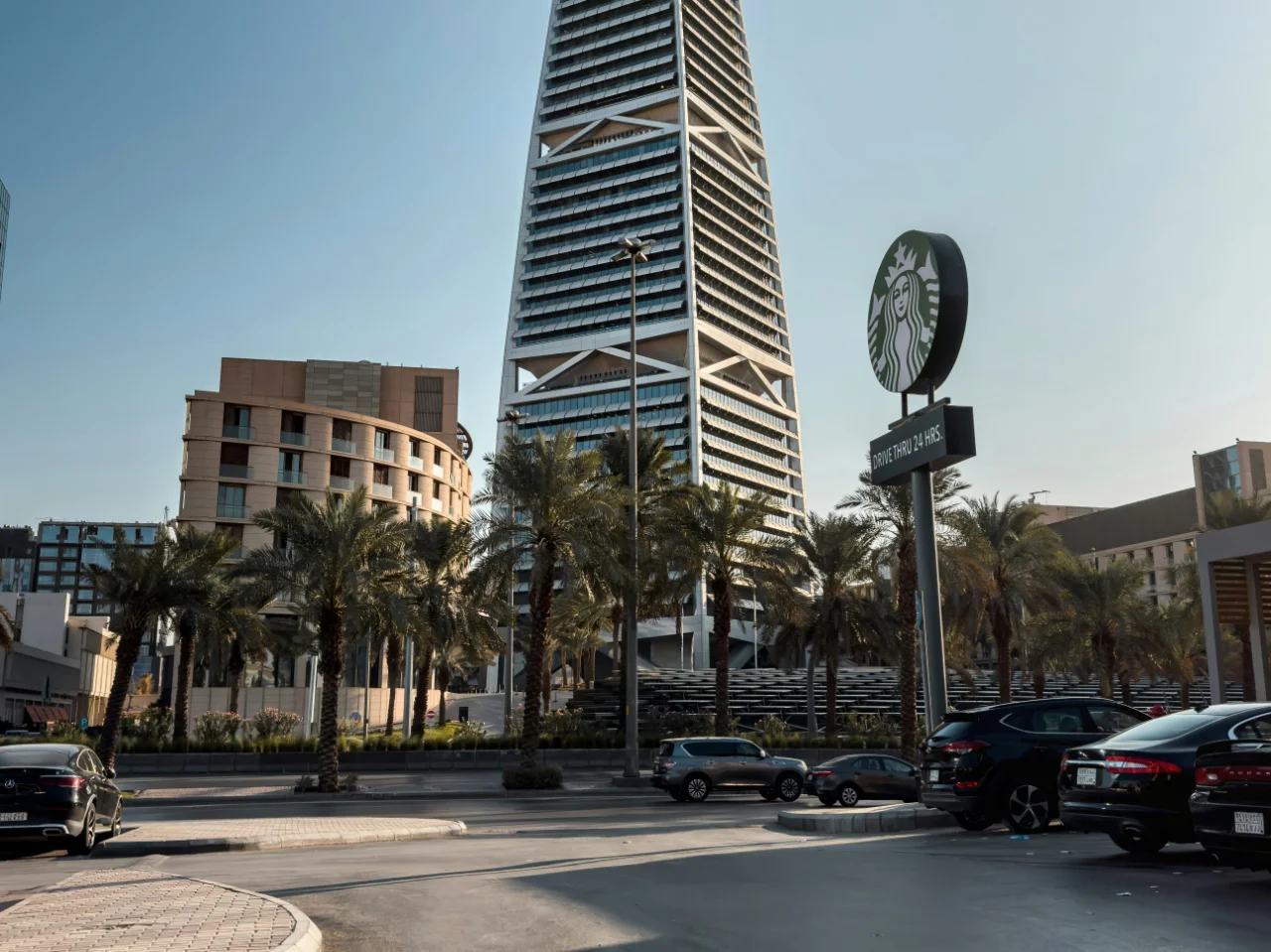
Expat life has changed considerably in recent years, and anyone who plans to live in Saudi Arabia today finds a very different country from the one described in older guides. Entertainment venues, cinemas, concerts, mall culture and tourism have expanded, and the experience in Saudi Arabia today is noticeably different from what expats living there a decade ago describe. Saudi society remains conservative, though, and understanding local customs is essential for a smooth transition.
Culture and Local Norms
- Dress modestly in public, particularly in larger cities and around religious sites
- Respect prayer times; some businesses close briefly during them
- Follow local rules during Ramadan, including not eating or drinking in public during daylight
- Alcohol is prohibited
- Public displays of affection are frowned upon
Learning a few Arabic phrases goes a long way. You do not need to learn the language to work — English is common in business — but even basic Arabic shows respect for the local culture and helps in everyday dealings. Many expats describe the cultural immersion as the most rewarding part of the move, and a rich culture with deep history is never far away.
Work Culture and Employment Rules
The work week runs Sunday to Thursday. Saudi companies vary widely in management style; international firms often operate much as they would in Canada, while local employers may be more hierarchical. The labor laws set out working conditions, leave entitlements and the end-of-service benefit; your contract should reference them. Read it carefully before signing, particularly the clauses on allowances and notice periods.
The Best Places to Live
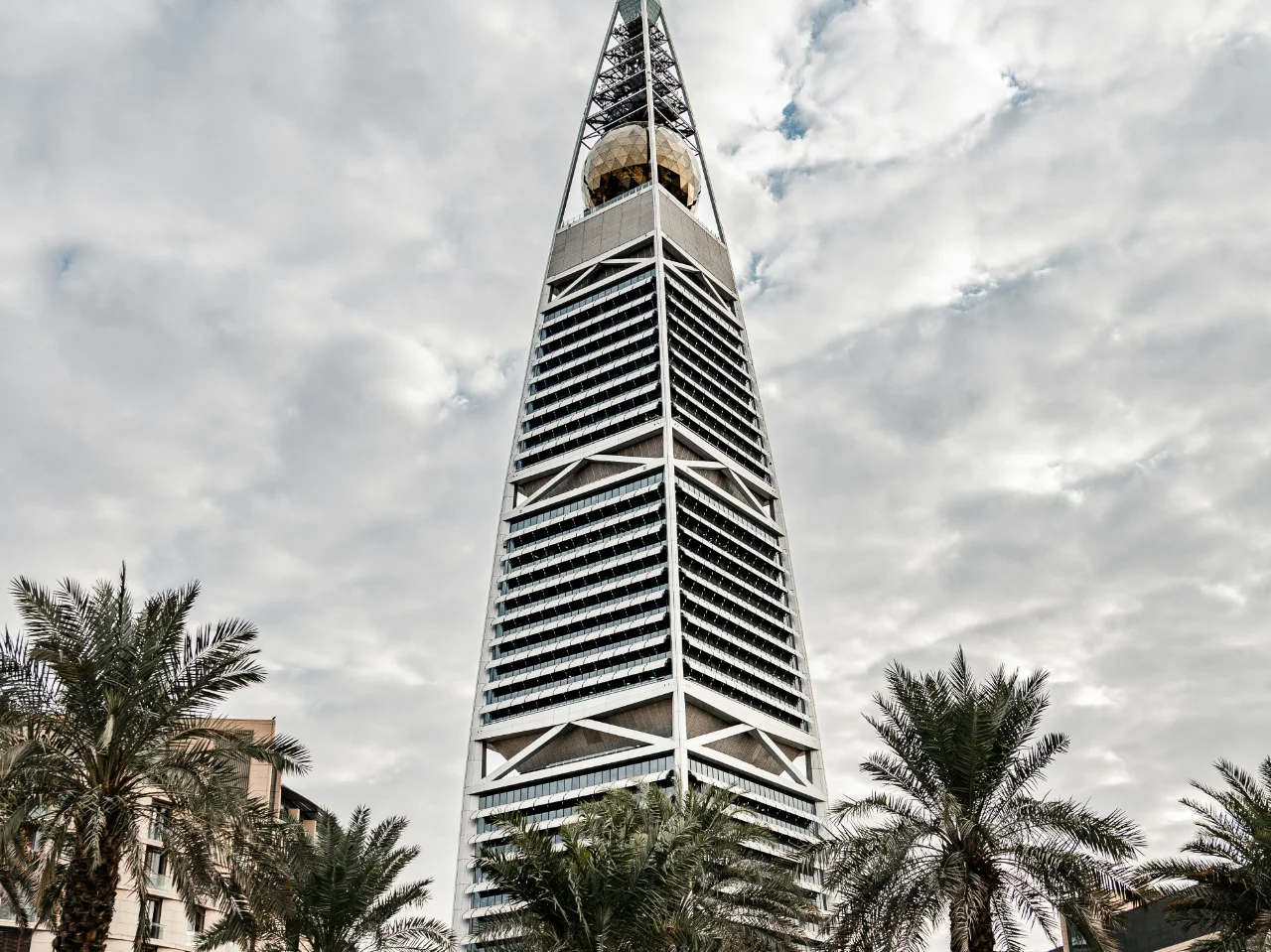
Saudi Arabia has several major cities, and where you settle depends mostly on where your job is.
- Riyadh. The capital of the country and the centre of government and finance. Living in Riyadh means access to the widest range of international schools, malls, housing and job opportunities
- Jeddah. On the Red Sea coast, more relaxed in feel, and the gateway to Mecca and Medina
- Dammam and the Eastern Province. The heart of the oil and gas industry, close to Bahrain
Between Riyadh and Jeddah, most international professionals find the infrastructure they expect. Many compounds offer housing, pools, gyms and an established expat community — a strong sense of belonging for families finding their feet.
Cost of Living
The cost of living in Saudi Arabia is generally lower than in major Canadian cities for comparable accommodation, though international school fees and imported goods add up. The biggest variable is housing: a housing allowance in your package can cover most or all of it, while living costs outside compounds are lower still. Ask your employer what it covers before comparing offers, because the standard of living depends far more on the package than on the salary figure alone.
Need help with document apostille/legalization/authentication/attestation — and/or criminal record check in Canada? Contact us via our form, call us at +1-613-501-0555 (WhatsApp available) or +1-800-857-1215 (toll-free), fax us via 1-844-786-2001, or text us at info@lsccanada.ca.
Healthcare and Daily Practicalities
Saudi Arabia provides a mix of public and private healthcare, and expatriates are normally covered through mandatory employer-provided medical insurance. Private hospitals in the larger cities are modern and well-equipped; ask HR which network your policy uses before choosing where to live, since being close to an in-network clinic matters more with children.
Driving is the norm, as public transport outside Riyadh’s newer metro lines is limited. Canadian licences can usually be converted, though requirements change, so confirm with your employer’s government-relations team. Banking, mobile contracts and tenancy agreements all wait on the residency permit, which is why the first few weeks feel slow even when everything goes to plan.
The Work Visa and Iqama

You cannot simply relocate to Saudi Arabia and look for work. A work visa is sponsored by the employer, and on arrival it converts into the residency permit — the card that governs banking, housing, travel and almost everything else. Your place of residence and your job are formally linked through it.
For Canadians, the Government of Canada lists two requirements specific to employment: proof of a criminal background check and an HIV test certificate. Your employer will add a medical examination, your passport, your employment contract and your degree.
Bringing Your Family
Moving to Saudi Arabia with family means sponsoring each dependent on your own residency. Marriage and birth certificates are needed for each family member, and an international school place should be secured well in advance — the best schools have waiting lists. Your contract should state your family status explicitly, since allowances for dependants usually depend on it.
Documents to Prepare Before You Leave
This is where the Kingdom differs from its neighbours. Saudi Arabia joined the Hague Apostille Convention in December 2022, so Canadian documents need an apostille rather than the long embassy legalization chain.
- Degree certificate, apostilled — see our guide to degree attestation
- RCMP criminal record check, fingerprint-based and apostilled by Global Affairs Canada — see our guide to the criminal record check for immigration
- Marriage and birth certificates for dependants — see our page on the marriage certificate apostille
Our explainers on what the certificate covers and how to get an apostille in Canadacover the mechanics. Where time is tight, notarizing a copy in Ontario routes the file to the fastest authority in Canada — Ontario issues over the counter, while the federal office takes about 20 business days by mail.
If You Are Comparing Destinations
Moving to Qatar or the Emirates involves a different process: neither has joined the Convention, so documents still go through embassy legalization — see our guides to UAE Embassy attestation, the Qatar and Kuwait missions, and moving to Dubai from Canada. Many professionals relocate from Dubai to Riyadh mid-career; flights between Dubai International and the Saudi capital are short and frequent, but documents prepared for the Emirates do not carry over without a fresh apostille.
Tips for a Stress-Free Move
- Start the apostille and the criminal record check the week you accept an offer
- Use a reputable moving company with Gulf experience, and check customs rules on imported items before packing
- Negotiate housing allowance and schooling into the package rather than salary alone
- Book temporary accommodation for the first few weeks while the iqama is issued
- Join expat groups early; the world of expats in the Kingdom is welcoming and practical advice is easy to find. Many expatriate families say the first community they joined shaped their whole experience
Making the Move
Making the move to Saudi Arabia starts with paperwork rather than packing. The documents take the longest, they must be done from Canada, and nothing else can move until they are ready.
Whether you need notarization, an apostille or a fingerprint-based police check, Legalization Service Centre guides potential expats through every stage of a relocation to Saudi Arabia — and our online RCMP criminal record check works even if you have already left Canada.
Need help with document apostille/legalization/authentication/attestation — and/or criminal record check in Canada? Contact us via our form, call us at +1-613-501-0555 (WhatsApp available) or +1-800-857-1215 (toll-free), fax us via 1-844-786-2001, or text us at info@lsccanada.ca.