Thousands of people living abroad need a police clearance certificate from Canada every year — former students, workers whose permit ended, and those returning to the permanent residence process after time at home. The good news is that you do not need to travel back. The less obvious news is that the route works only one way, and most delays come from mistakes made before the file ever reaches the RCMP.
Those mistakes are predictable: the wrong certificate ordered, fingerprints rolled badly by someone who has never seen the form, originals posted before anyone checked them. Each one costs weeks, and an applicant with an invitation deadline rarely has weeks to spare.
This guide explains which certificate you actually need, how to apply for PCC from India, where to have prints taken, how the immigration timeline affects when you should start, and what causes processing delays.
Need help with document apostille/legalization/authentication/attestation — and/or criminal record check in Canada? Contact us via our form, call us at +1-613-501-0555 (WhatsApp available) or +1-800-857-1215 (toll-free), fax us via 1-844-786-2001, or text us at info@lsccanada.ca.
Which Police Clearance Certificate (PCC) from Canada Do You Need?
Two different documents are easily confused, and applicants regularly order the wrong one.
- An Indian PCC is issued by the authorities there and covers your record in that country. If you lived there as an adult, IRCC will ask for it.
- The RCMP version is a certified check searched by fingerprint against Canada’s national repository. If you lived in Canada for six months or more since turning 18, it will be requested too.
Canadian immigration rules require a police certificate for every country where you meet that threshold. Someone who studied in Ontario, returned home, and is now applying for PR usually needs both — one from each government agency. Getting one does not satisfy the other. Our guides to the RCMP check for immigration and the RCMP forms cover the RCMP side in more detail.
When to Apply
Timing matters more than most applicants realize.
For Express Entry, police certificates are normally submitted after you have received an invitation to apply. Once it arrives, the clock is short, and a certificate requested from abroad takes longer than one done in person in Ottawa because ink prints must travel by courier first. Many people hoping to settle in Canada as PR start the RCMP check while their profile is pending in the pool, so it is ready when the ITA lands.
For other processes — citizenship, a work permit, a visa for a third country — the requesting authority will tell you when it is needed. Apply too early and the certificate may be considered stale; most authorities expect it to be recent.
How the Process Works From India
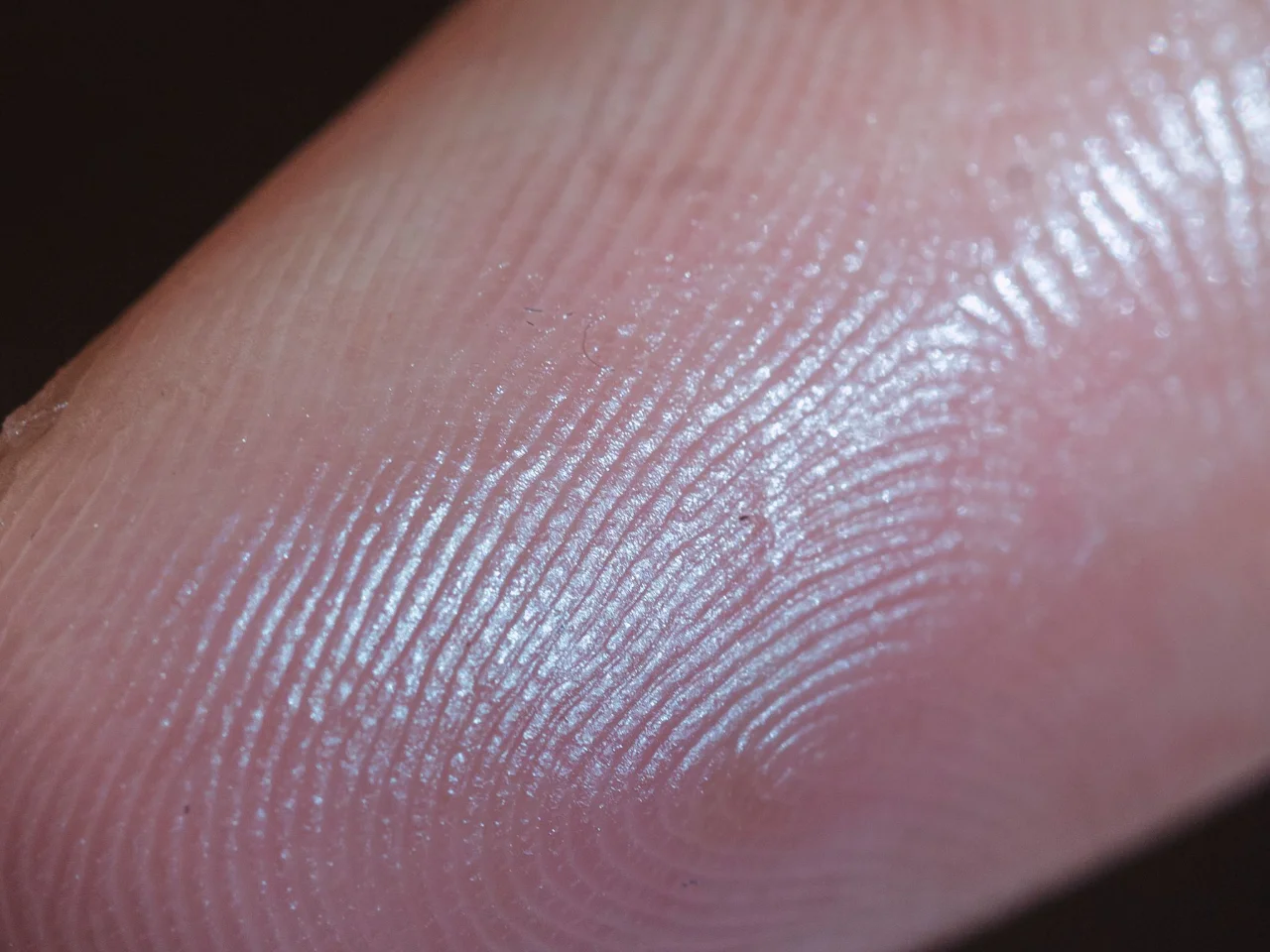
Electronic submission to the RCMP is not available from outside Canada, and an applicant abroad cannot post fingerprint cards directly to the RCMP either. The process runs through an accredited Canadian agency:
- Download the forms. The RCMP consent form for a certified check, and the C-216C fingerprint form
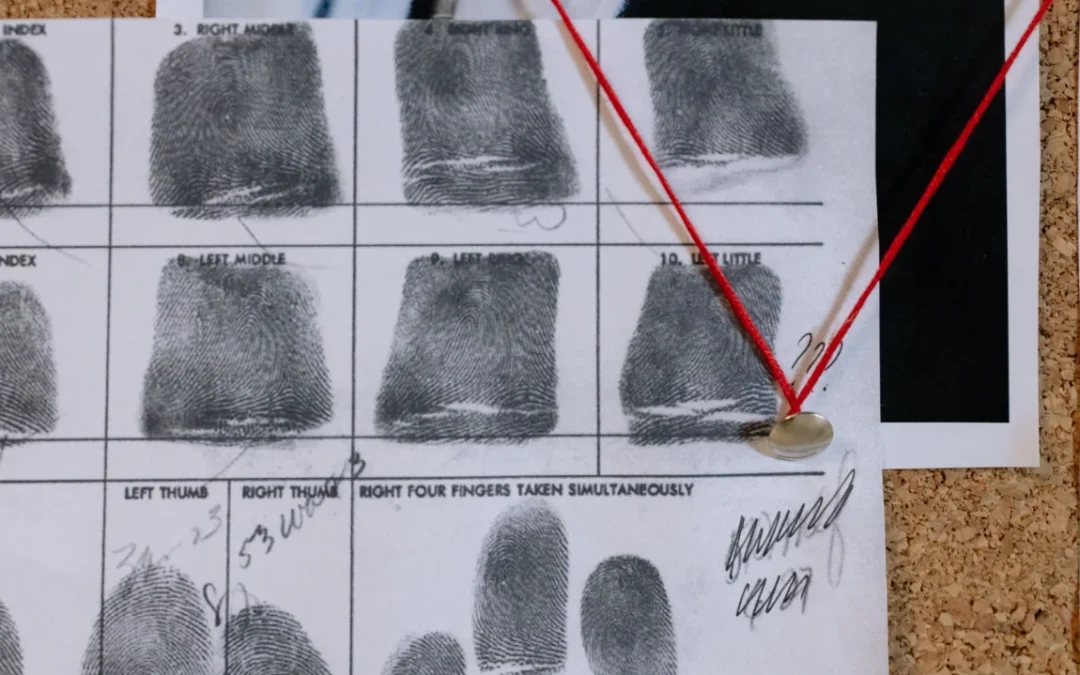
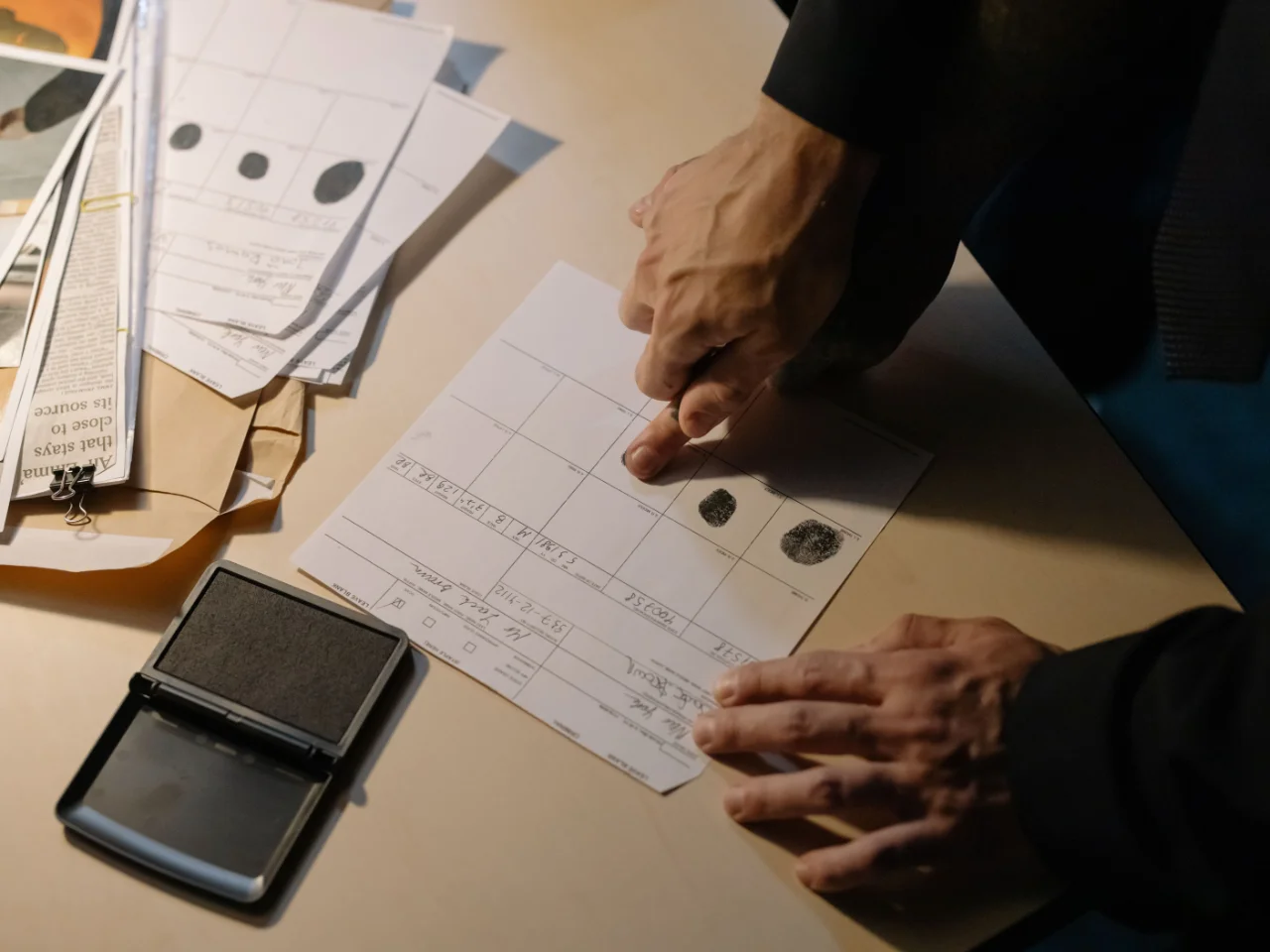
- Have your fingerprints taken. Ink-and-roll impressions on the C-216C, taken in person
- Send scans for review. A completed application form and valid identification are checked before originals are shipped
- Courier the originals. The physical card must arrive in Ottawa — scans and photos are never accepted
- Submission. The firm digitizes the card and sends it to the RCMP electronically
- Results. The RCMP issues the certificate and mails it to the address you specified
You can track progress through whoever submitted your file rather than chasing the RCMP directly. Our online RCMP criminal record check is built for exactly this route: Legalization Service Centre is an RCMP-accredited fingerprinting company in Ottawa, and we review your forms and identification by email before you ship anything, so a typo does not cost you a second courier cycle.
Where to Get Prints Taken
Fingerprints can be taken at a local police station, at a private fingerprinting service, or by a notary public. The official who takes them must sign and stamp the card. Bring your passport and a second government-issued ID.
Quality is the most common failure point. Smudged or partial impressions are rejected after submission, and a rejection means a new appointment and a second courier cycle — often three or four weeks lost. Use a provider who has completed C-216C cards before.
Need help with document apostille/legalization/authentication/attestation — and/or criminal record check in Canada? Contact us via our form, call us at +1-613-501-0555 (WhatsApp available) or +1-800-857-1215 (toll-free), fax us via 1-844-786-2001, or text us at info@lsccanada.ca.
Required Documents
The documentation for a PCC application is short, but each item has specific requirements:
- C-216C fingerprint card, original, ink-and-roll, signed and stamped by the official
- Consent form, completed and signed — the reason for the request stated correctly
- Two pieces of photo identification issued by a government, one of them your passport
- Third-party consent, if the certificate should go to an immigration representative or consultant rather than to you
- Return address, written exactly as it should appear on the envelope
The RCMP will mail the certificate to any address you specify, at home or abroad. An official document issued this way is accepted by IRCC as the police certificate for your time in Canada.
What the Certificate Shows
The result either confirms nothing matched your fingerprints, or lists the conviction details where a record exists. Having a criminal history does not automatically end an application — admissibility is assessed under immigration law — but it will be examined, and legal advice is worth seeking before you submit. Our guide to what the check shows covers the result in detail.
Fees and Payment
Two charges apply. The RCMP sets a federal processing fee per check, waived in certain categories, and the accredited firm charges for digitizing your card. Ask for the total before you send anything, and keep the receipt — IRCC may ask for proof that you requested the certificate if your file is pending and the document has not yet arrived.
How the Officer Reviews It
An officer will assess the certificate alongside the rest of your file. A clear result simply closes the question. A result showing a record triggers an admissibility review, where the nature of the offence, how long ago it occurred and whether it has been suspended all matter. Do not try to explain a record away in a cover letter without advice; a careful submission prepared with a representative is far more effective than a hurried note sent after the issue is raised.
Keeping the Certificate Current
Most immigration authorities treat a police certificate as current for a limited period, commonly six to twelve months from the date of issue. If your application stalls and the certificate ages past that point, you may be asked for a new one. Keep the original safe, note the issue date, and set a reminder well before it becomes a problem — reordering from abroad means repeating the fingerprint appointment and the courier leg.
Common Mistakes and How to Avoid Delays

Real examples of what goes wrong repeat almost exactly:
- Ordering the wrong country’s certificate, or assuming one covers both
- Waiting for the invitation before starting — the courier leg alone can consume much of the deadline
- Poor-quality ink prints that the RCMP rejects after weeks in transit
- Sending scans instead of the original card
- Name mismatches between ID, forms and the immigration file
- Using an unauthorized service that cannot submit to the RCMP at all
The verification process at the RCMP is fast once a clean file arrives. Processing time is dominated by everything before submission, and an applicant who avoids these errors usually has the certificate within a few weeks.
Frequently Asked Questions
Can I get the certificate without travelling?
Yes. Prints taken abroad are sent through an accredited firm in Ottawa.
Do I need it if I never lived there?
No. It is required only after six months or more of adult residence.
Can the certificate be sent to my consultant?
Yes, with a signed third-party consent form.
What if my file is pending and the PCC arrives late?
Contact IRCC through the official website and explain that the certificate has been requested. Keep proof of the request.
Get It Ready Before the Deadline
Start early, have prints taken by someone experienced, and get the paperwork checked before it leaves the country. Those three steps remove almost every delay.
If a country other than Canada needs the certificate too, it can be certified for use abroad — an apostille for Convention members, issued through the federal authentication office as our guide to getting an apostille and our explainer on what an apostille certifies sets out, or full legalization for the Gulf through UAE Embassy attestation at the mission in Ottawa, and the Qatar and Kuwait missions.
Need help with document apostille/legalization/authentication/attestation — and/or criminal record check in Canada? Contact us via our form, call us at +1-613-501-0555 (WhatsApp available) or +1-800-857-1215 (toll-free), fax us via 1-844-786-2001, or text us at info@lsccanada.ca.