
Police record checks are commonly requested for jobs, volunteer positions, immigration applications, professional licensing, school placements, and other situations that require background screening. Depending on the type of check requested, the screening may include criminal convictions, judicial matters, vulnerable sector information, or fingerprint verification.
Understanding how the police record check process works can help applicants prepare the correct documents and avoid unnecessary delays. This guide includes what a police record check is, the various types of police record checks available in Canada, the differences between name-based and fingerprint-based screening, what documents are needed before applying, the step-by-step application process and the types of information that will appear on a completed police record check.
Need help with document apostille/legalization/authentication/attestation — and/or criminal record check in Canada? Contact us via our form, call us at +1-613-501-0555 (WhatsApp available) or +1-800-857-1215 (toll-free), fax us via 1-844-786-2001, or text us at info@lsccanada.ca.
What Is a Police Record Check?

Definition and Purpose of a Police Record Check
A police record check is a background screening process used to search certain criminal record information and other police records that may be legally disclosed under Canadian laws and local police policies. In some cases, a police service may conduct a broader level of screening depending on the type of record check requested and the purpose of the application.
In Canada, municipal, provincial, and regional police services process these checks for many different purposes. Some screenings may only include criminal convictions, while others may also include judicial matters or vulnerable sector information.
Common Reasons People Need a Police Check
People may need police background checks for many reasons, including:
- Employment or volunteer opportunities
- Immigration or travel requirements
- Professional licences and certifications
- School placements, internships, or training programs
Employers, schools and government agencies often require that applicants undergo a police record screening before they can work, study, volunteer or participate in certain programs.
Difference Between a Police Record Check and a Police Certificate
Police Record Check: Commonly used in Canada for employment, volunteer work, education placements, and professional licensing purposes. Local or regional police services usually process these checks within the jurisdiction where you live.
Police Certificate: Commonly requested for immigration, citizenship, foreign travel, or international employment purposes. Depending on the requesting authority, the certificate may require fingerprint-based verification to search national criminal record databases when applying for a certified criminal record check or police certificate in Canada.
Types of Record Checks in Canada

Criminal Record Check (CRC)
A Criminal Record Check (CRC) is a basic level of police screening for employment, housing, volunteer work, and general background purposes. Processing is usually handled by municipal or regional police services in accordance with local police policies. A CRC refers to criminal convictions and findings of guilt that are legally disclosable, but generally does not include vulnerable sector information or detailed judicial matters.
Criminal Record and Judicial Matters Check (CRJMC)
A Criminal Record and Judicial Matters Check (CRJMC) is a more detailed screening which may include criminal convictions and certain judicial matters authorized for release, including outstanding charges, warrants, probation orders, peace bonds and court orders. This type of screening is often asked for positions that require trust, responsibility or authority.
Vulnerable Sector Check (VSC)
A Vulnerable Sector Check (VSC) is for those applying for jobs or volunteer positions where they will be working with vulnerable persons. This includes children, seniors and people who may be more at risk of harm or abuse. In some provinces, including Ontario, laws such as the Police Record Checks Reform Act and the Child, Youth and Family Services Act help to regulate how this screening is done. A VSC may also involve authorized searches of record suspension files for sexual offences under the Criminal Records Act.
Certified Criminal Record Check
A certified criminal record check is a screening based on fingerprints conducted through national criminal record databases maintained by the Royal Canadian Mounted Police (RCMP). It is often required for immigration, citizenship, foreign travel, adoption and international employment. There may also be requirements under the Intercountry Adoption Act for other adoption screenings. Instead of the traditional name checks, the process uses fingerprints to verify identity and confirm criminal record information associated with the applicant.
Name-Based vs Fingerprint-Based Criminal Record Checks
How Name-Based Police Checks Work
Most police background checks in Canada are name-based searches that use a person’s full legal name and date of birth to search criminal record databases for possible matches. These checks are commonly used for employment, licensing, and volunteer screening because they are usually faster and easier to process than fingerprint-based checks.
A name-based police check may include:
- Criminal convictions
- Judicial matters
- Vulnerable sector information, depending on the screening level
- Other police information authorized for release under Canadian law
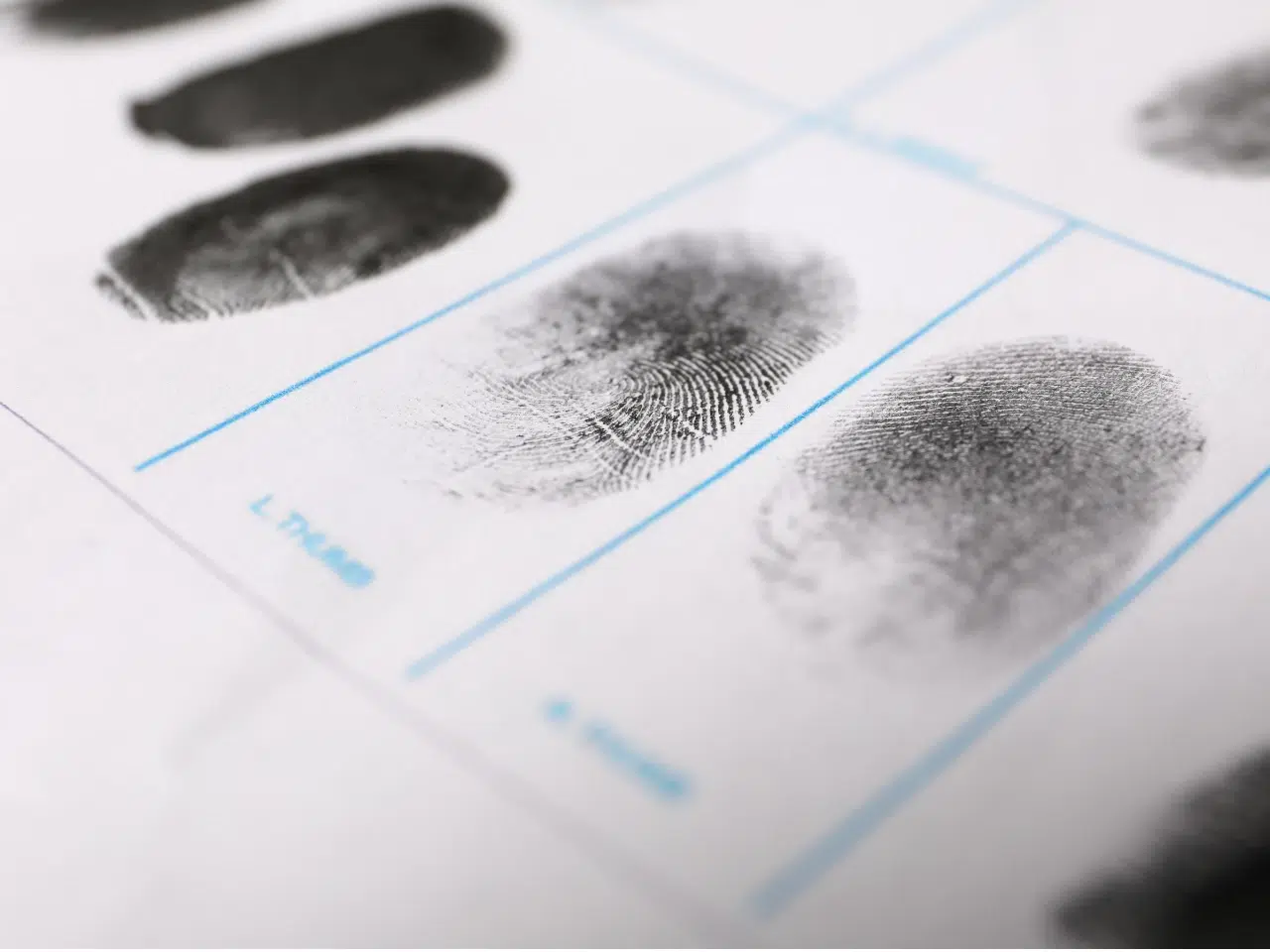
When Fingerprint Verification May Be Required
Fingerprint verification may be required when a name-based search identifies a possible match in the criminal record database. Fingerprinting can also be used to verify that the identity is correct, and to reduce the risk of error due to similar names or dates of birth. Further verification is needed for fingerprint screening, which can take longer to process.
Situations Requiring Certified Fingerprint-Based Checks
Certified fingerprint-based criminal record checks are commonly required for:
- Immigration applications
- Foreign travel or work visas
- Adoption processes
- Citizenship applications
- International employment opportunities
The checks are normally required for official and international purposes and use fingerprints to check identity via the national repository of criminal records.
Need help with document apostille/legalization/authentication/attestation — and/or criminal record check in Canada? Contact us via our form, call us at +1-613-501-0555 (WhatsApp available) or +1-800-857-1215 (toll-free), fax us via 1-844-786-2001, or text us at info@lsccanada.ca.
Documents Required Before Applying

Acceptable Government-Issued Identification
Most police services in Canada require applicants to provide two pieces of government-issued identification before processing a police record check application. The identification documents must usually verify the applicant’s full legal name, date of birth, signature, and current address.
Accepted forms of identification include:
- Driver’s licence
- Passport
- Birth certificate
- Provincial or territorial identification card
- Age of majority card
- A permanent resident card or other government-issued photo ID
Personal Information and Address History
Applicants are usually asked to provide personal details to verify their identity and make sure the screening process is conducted properly. The police can ask for:
- Full legal name
- Date of birth
- Current address
- Previous address history
- Contact information, such as a phone number or email address
Additional Documents for Vulnerable Sector Screening
Applications involving vulnerable persons may require additional documentation due to the higher level of screening required, especially when applicants provide services to a child or youth. In some jurisdictions, certain vulnerable sector screening procedures or record suspension searches may not apply to applicants under 18 years of age, depending on federal legislation and local police service policies.
Many police services may request:
- A request letter from the employer or volunteer organization
- Signed consent forms
- Additional identity verification documents
Requirements may vary depending on the police service and the type of screening requested.
Step-by-Step Police Record Check Process

Step 1: Determine the Level of Screening Required
Prior to submitting the application, applicants should verify the type of record check required by the employer, volunteer organization, school, licensing body or government agency. Applying for the correct screening level will avoid delays, rejected applications or extra processing fees.
Step 2: Choose a Local Police Service or Accredited Provider
Most police record checks in Canada are done through the local police service, police headquarters or a regional office serving the area where the applicant resides. Accredited fingerprinting companies can also do certified fingerprint-based background checks by electronically submitting fingerprints for processing.
Step 3: Complete the Police Check Application
You can often submit your application online or in person, depending on the police service or authorized provider. Many police services now offer an online application process for police record checks to make the process faster and more convenient.
Step 4: Submit Identification and Consent Forms
Before proceeding with an application, many police services ask for government-issued identification and signed consent forms. Some screenings, such as a vulnerable sector check, may also require additional identity verification or supporting documents from the requesting organization.
Step 5: Pay Applicable Processing Fees
The police service, the level of screening, and whether fingerprints are required will all affect the cost of a police record check. Some police services may provide reduced fees or exemptions for applications related to volunteers.
Step 6: Wait for Processing and Receive Results
Processing times can vary based on the type of police record check, the volume of applications and whether fingerprint verification is required. Check results (once finalized) may be transmitted electronically, sent by mail to the applicant, or made available for in-person pick-up, according to the police service’s policies.
What Information Can Appear on a Police Record Check?

Criminal Convictions and Court Records
Police record checks may include criminal convictions, findings of guilt and court outcomes that may be legally released under Canadian law. The information released depends on the screening level requested.
Outstanding Charges and Judicial Matters
Some police checks, such as a Criminal Record and Judicial Matters Check (CRJMC), may also include:
- Outstanding charges
- Warrants
- Probation orders
- Peace bonds and court orders
Vulnerable Sector Screening Information
A Vulnerable Sector Check (VSC) may include additional screening information for positions involving children, seniors, or other vulnerable persons. In authorized cases, this may include searches related to record suspensions for sexual offences.
Record Suspension Information in Authorized Cases
Information about a record suspension will only be disclosed in certain situations permitted by Canadian law, such as in certain Vulnerable Sector Checks where you are working in a position of trust with vulnerable persons.
Information That May Not Appear on All Checks
Not all records are available on every police record check. Some information may not be included, for example:
- Youth records in most situations
- Certain non-conviction information
- Information restricted by privacy laws
Simplify Your Police Record Check Process with Legalization Service Centre

Legalization Service Centre provides authentication, apostille, legalization, and fingerprinting services for Canadian police record checks used in Canada and abroad. Whether you need a police certificate or a certified criminal record check for immigration, employment, travel, adoption, citizenship, or visa applications, LSC helps prepare and process your documents for official use.
Need help with document apostille/legalization/authentication/attestation — and/or criminal record check in Canada? Contact us via our form, call us at +1-613-501-0555 (WhatsApp available) or +1-800-857-1215 (toll-free), fax us via 1-844-786-2001, or text us at info@lsccanada.ca.