Anyone can advertise fingerprint services. Very few businesses are actually authorized to take fingerprints and send them anywhere that matters, and private fingerprinting companies vary enormously in what they can genuinely do. The difference is accreditation, and it is not a marketing label — it is a formal authorization granted by the Royal Canadian Mounted Police that determines whether your prints reach the national repository at all.
Applicants find this out the expensive way. Prints taken by an unaccredited operator cannot go into the system, the paperwork has to be redone, and the deadline that prompted the appointment has usually passed. Fingerprint services of that kind are worse than useless, because they consume the time you needed.
This guide explains what the authorization involves, how to check that a fingerprinting company holds it, what the fingerprinting process looks like in practice, and how it differs for applicants across Canada and abroad.
Need help with document apostille/legalization/authentication/attestation — and/or criminal record check in Canada? Contact us via our form, call us at +1-613-501-0555 (WhatsApp available) or +1-800-857-1215 (toll-free), fax us via 1-844-786-2001, or text us at info@lsccanada.ca.
What RCMP Accreditation Actually Means

To provide fingerprinting services to the public, a private company must be accredited by the RCMP’s Canadian Criminal Real Time Identification Services — CCRTIS, the branch that maintains the National Repository of Criminal Records.
This authorization is not a form-filling exercise. Before a fingerprint agency is granted access to the Real Time Identification system, the RCMP examines:
- The firm’s security and administrative operations, covering both personnel and IT
- Personnel security screening for the designated company security officer and alternate
- Physical inspection of the premises where prints are captured and stored
- IT security review of the systems handling biometric data
- Certification of the devices, software and network connection before any digital submission to the RCMP is permitted
Some agencies in Canada hold a “direct connect” authorization, meaning transactions travel over a network connected directly to the RCMP electronically rather than through an intermediary. Companies accredited in this way appear on an official list published by the RCMP, updated at the start of each month.
How to Check a Provider
The list changes. Firms are added, and accreditation is withdrawn. Before you book, three checks are worth making:
- Confirm the company appears on the RCMP’s current published list
- Ask directly whether they submit fingerprints electronically or only take ink impressions
- Ask whether they handle applications from outside Canada, if that applies to you
A business that hesitates on any of these is telling you something.
Digital Fingerprinting Services and Ink
Two capture methods exist, and accredited companies typically offer both.
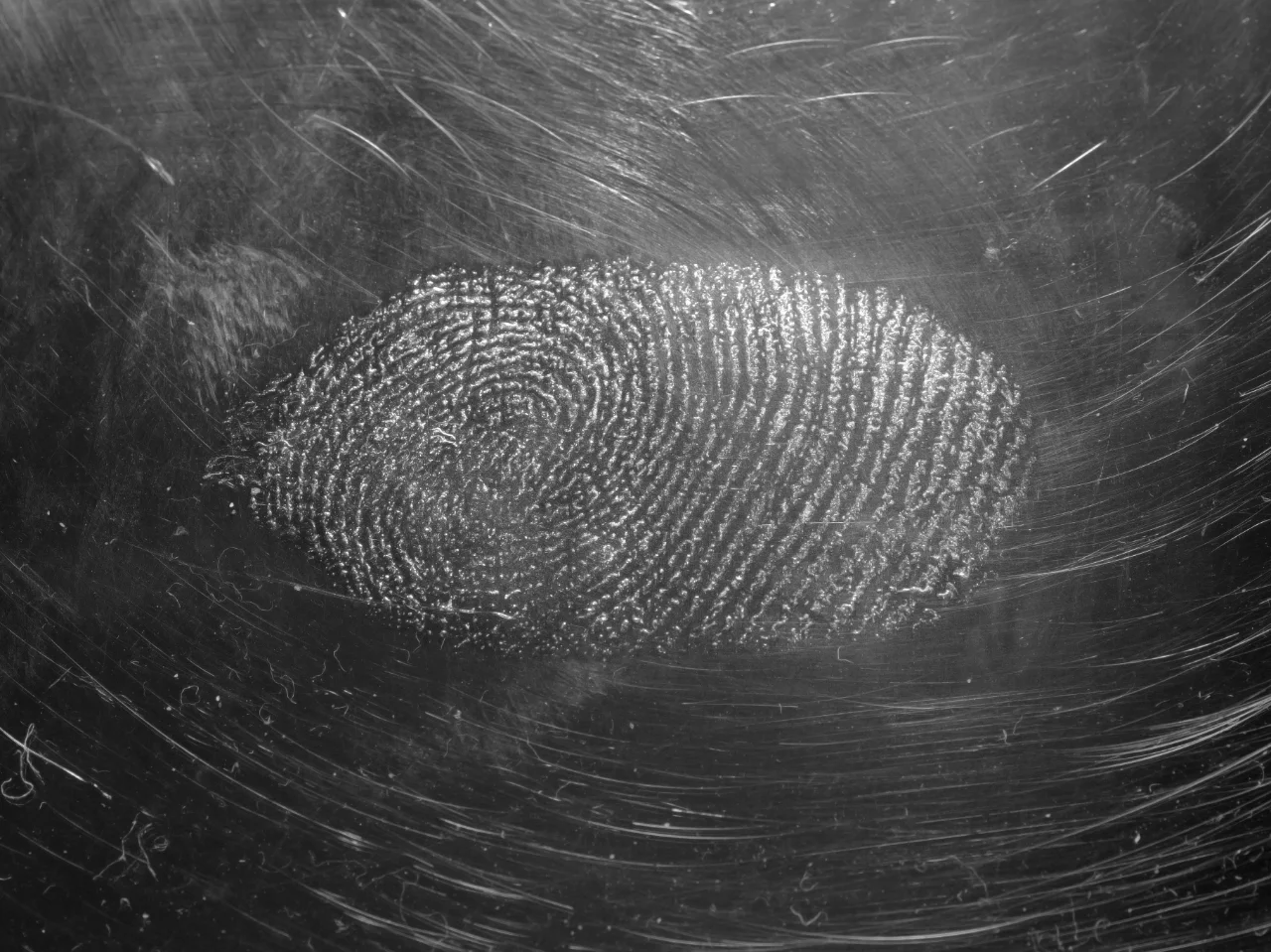
Digital fingerprinting uses a certified live-scan device. Your fingers are rolled across a glass platen, software checks image quality in real time, and poor impressions are retaken immediately rather than discovered as a rejection weeks later. The file then goes to CCRTIS for verification against the national repository. This is how electronic fingerprinting works for anyone attending in person, and it is faster and more accurate than the alternative.
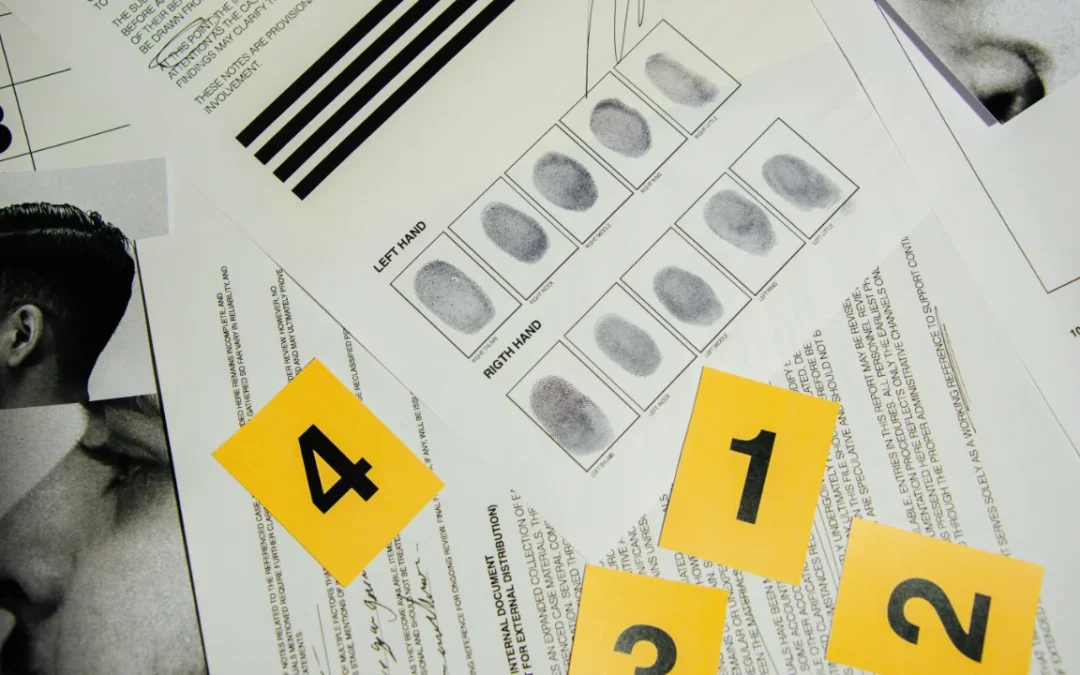
Ink fingerprints are still used where a scanner is unavailable — principally for applicants outside of Canada. The ink-and-roll method is applied to an official fingerprint card, and an accredited agency then digitizes that card and submits it. Scanned or photographed prints are never accepted; only original cards sent by mail or courier.
The output in both cases is the same: an RCMP certified criminal record check, sometimes called an RCMP certificate or a police certificate, produced from a fingerprint-based criminal record check rather than a name-based one.
Need help with document apostille/legalization/authentication/attestation — and/or criminal record check in Canada? Contact us via our form, call us at +1-613-501-0555 (WhatsApp available) or +1-800-857-1215 (toll-free), fax us via 1-844-786-2001, or text us at info@lsccanada.ca.
When Fingerprints Are Required

Fingerprint identification is requested across a wide range of processes:
- Immigration and Canadian citizenship applications
- Employment and pre-employment background checks in regulated sectors, where a criminal background check is standard
- Federal security clearance and reliability screening, including Public Services and Procurement Canada contract screening
- Professional licensing and registration
- Adoption, domestic and international
- Police clearances required by a foreign government or a Canadian police force
- Record suspensions and Privacy Act requests
- Criminal record verification where a name-based search returned a possible match
That last case is more common than people assume. A name-based search compares your name and date of birth against police databases; where two people share both, the applicant is asked to provide prints so identity can be settled biometrically.
What Happens at a Fingerprinting Appointment

Most accredited providers work by appointment rather than accepting walk-ins, since every submission is logged against the operator who took it. Booking also confirms that fingerprinting and background screening are handled by the same firm, which saves a second visit.
Bring two pieces of valid government-issued identification, at least one with a photograph — a passport and a driver’s licence is the usual pairing. Bring the reason for the request in writing where an organization supplied a letter, and your file number where immigration is involved.
The capture itself takes minutes. Each submission generates a twenty-digit Document Control Number linking your prints to the search, valid for twelve months. Results are mailed to the address on the application rather than handed over at the counter.
Fingerprinting Services Available in Ottawa and Beyond

Ottawa is a practical place to have this done, because the RCMP and Global Affairs Canada are both here — which matters when a certificate needs certifying for use abroad afterwards.
Legalization Service Centre is an RCMP accredited fingerprinting company operating in Ottawa, among the first private firms authorized to send prints into the system directly. Canadian fingerprinting services are available at our office by appointment, and we also convert international ink prints for clients living abroad, so an RCMP-accredited route is available whether you are within Canada or overseas — the same accredited and certified route, used by clients across Canada and anywhere in the world.
Two service pages set out the detail: in-person fingerprinting in Ottawa for anyone living in Canada, and the online RCMP criminal record check for applications from abroad. Our page on accredited fingerprinting covers the authorization itself.
After the Certificate Arrives
An RCMP-certified criminal record check satisfies Canadian processes but rarely satisfies a foreign one alone. Because it is issued by the Canadian government, certification runs through Global Affairs Canada — an apostille where the destination joined the Hague Convention, or full legalization where it did not. Our guides to the check for immigration, choosing the right form and what it actually shows cover the rest, and files bound for the Gulf run through UAE Embassy attestation or the Qatar and Kuwait missions.
Why Ottawa Specifically
Location matters more here than it does for most services. The RCMP’s identification services and Global Affairs Canada both sit in the capital, along with every embassy that legalizes documents for use abroad. A file that needs prints taken, a certificate issued and then that certificate certified for a foreign authority can be moved between all three without leaving the city.
For someone in Vancouver or Halifax the same file travels by courier at every stage, and each leg adds days. That does not make it impossible — most of our clients live nowhere near Ottawa — but it explains why applicants with a hard deadline often choose a provider based here.
Frequently Asked Questions
Can a notary or a shipping outlet take my prints?
Only if that business itself holds the authorization. The profession of whoever presses the scanner is irrelevant; the accreditation attaches to the company.
Do accredited firms handle vulnerable sector checks?
No. Those are restricted to your local police service, and no private provider can process one.
How long do results take?
Between five and twenty business days once submitted, longer where the search finds something requiring manual review. Mailing time sits on top.
Can someone else collect my results?
Only where you signed a third-party consent authorizing release. Without it, results go to the applicant.
What if my prints are rejected for quality?
A live-scan capture flags this immediately and is simply retaken. An ink card rejected after submission means a new appointment and, usually, a second fee.
Book an Appointment for Your Fingerprinting Needs
Confirm the provider is accredited by the Royal Canadian Mounted Police, arrive with the right identification, and establish early whether the finished certificate will need certifying for use abroad. Those three decisions remove most of the delay from the process.
Whether you need fingerprinting, an apostille, notarization or full legalization for a non-member country, Legalization Service Centre can guide you through every stage.
Need help with document apostille/legalization/authentication/attestation — and/or criminal record check in Canada? Contact us via our form, call us at +1-613-501-0555 (WhatsApp available) or +1-800-857-1215 (toll-free), fax us via 1-844-786-2001, or text us at info@lsccanada.ca.