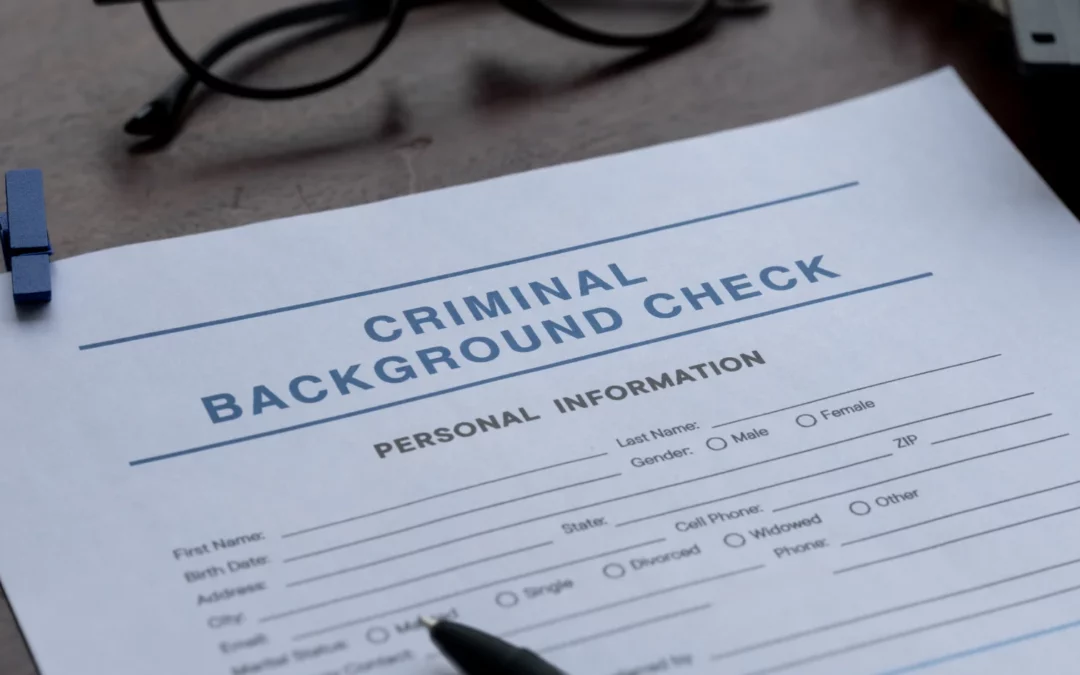
Have you ever been asked to provide a “police check” for a new job or a volunteer position at your child’s school, only to realize there are actually several different versions available? Determining whether you require a thorough vulnerable sector check or a simple name-based search can be very complex, particularly if your job or travel plans are at stake.
In this article, we will discuss the three primary levels of police record checks used across Canada, which are the Police Criminal Record Check (PCRC), the Criminal Record and Judicial Matters Check (CRJMC), and the Police Vulnerable Sector Check (PVS). We will also explore how these checks are used for international purposes, including the new Apostille process that came into effect on January 11, 2024, and how to ensure your documents are ready for use outside of Canada.
Need help with document apostille/legalization/authentication/attestation — and/or criminal record check in Canada? Contact us via our form, call us at +1-613-501-0555 (WhatsApp available) or +1-800-857-1215 (toll-free), fax us via 1-844-786-2001, or text us at info@lsccanada.ca.
What are the Primary Types of Criminal Record Checks in Canada?
Anyone navigating the employment, seeking professional licenses, or getting ready to relocate overseas needs to understand the many kinds of criminal record checks in Canada. Every check has a distinct function, differing in the amount of information disclosed and the degree of authority needed to carry it out. Making the incorrect decision could result in needless expenses, missed deadlines, and application process delays.
One of three predefined levels is typically referred to when an employer or organization requests a background check. These levels were created to strike a compromise between a person’s right to privacy and public safety, making sure that only pertinent information is shared, depending on how sensitive the role is.
Level 1: Police Criminal Record Check (PCRC)
The Police Criminal Record Check (PCRC) is the most basic and common type of police check. It is typically a name-based criminal record check that searches the National Repository of Criminal Records maintained by the Royal Canadian Mounted Police (RCMP).
- What it includes: Criminal convictions for which a record suspension, previously known as a pardon, has not been issued are shown by this check. It also includes findings of guilt under the Youth Criminal Justice Act within the designated disclosure period.
- Best for: General jobs that don’t involve working with children or vulnerable groups include retail, trades, or office settings.
- How to get it: This is often a basic check that can be completed relatively quickly. Many people now check online through accredited agencies or their local police service.
Level 2: Criminal Record and Judicial Matters Check (CRJMC)
A Criminal Record and Judicial Matters Check, shortly called as CRJMC, is a broader record check. It is often requested for positions that require a higher degree of trust, such as banking, security, or municipal licensing (like ride-sharing drivers).
- What it includes: In addition to the criminal convictions found in a Level 1 check, a CRJMC includes current judicial orders, outstanding warrants, charges, peace bonds, probation orders, and absolute or conditional discharges.
- Best for: Applicants seeking employment in sectors like finance, law, or any role where “judicial matters” beyond just convictions are relevant to the hiring decision.
Level 3: Police Vulnerable Sector Check (PVS)
The vulnerable sector check is the most comprehensive and restricted type of check. It is especially intended for anyone looking for work or volunteering in positions of trust or control over vulnerable individuals, such as children, the elderly, or those with disabilities.
- What it includes: It contains everything in a CRJMC, plus a search for any record suspension for sexual offences. It may also include “non-conviction” information if a police service determines it is necessary for public safety.
- Important Note: Vulnerable sector checks must be conducted by the local police service where the applicant resides. Because of the sensitivity of the data, this type of check cannot be fully completed by third-party private companies alone; it requires the direct involvement of the police.
The Difference Between Name-Based and Certified Criminal Record Checks

While the levels above describe what is in the report, there is also a distinction in how the search is performed.
A name-based criminal record check uses your name and date of birth to query the Canadian Criminal Real Time Identification system. While fast, it is not always definitive. If you happen to have a similar name and birthdate to someone with a record, your record check results might come back as “incomplete” or “match found.”
In such cases, or if you are applying for a certified criminal record check for immigration or a permanent residency application outside of Canada, you will need to provide fingerprints. This process is handled through the Royal Canadian Mounted Police (RCMP). A fingerprint-based check is the only way to confirm a Canadian criminal record with 100% certainty, as it links the record to your unique biometric data rather than just a name.
Need help with document apostille/legalization/authentication/attestation — and/or criminal record check in Canada? Contact us via our form, call us at +1-613-501-0555 (WhatsApp available) or +1-800-857-1215 (toll-free), fax us via 1-844-786-2001, or text us at info@lsccanada.ca.
When Do You Need a Police Record Check for International Use?
The local authorities in another nation will probably demand a criminal record check from Canada if you are a Canadian citizen relocating there for employment, education, or residence. But having the paper alone is insufficient; the other government must accept it legally.
Since January 11, 2024, Canada has officially joined the Hague Apostille Convention. This is a massive win for anyone needing to use Canadian police records abroad. Previously, you had to go through a multi-step “authentication and legalization” process involving Global Affairs Canada and the destination country’s embassy. Now, for the 125+ countries that are members of the convention, you only need a single apostille certificate.
Which countries require an Apostille?
Most European, North American, and South American countries are members of the convention. This includes the UK, USA, Australia, Mexico, and many more. If you are headed to one of these locations, an apostille on your RCMP-certified check is the standard requirement.
Which countries still require full legalization?
Some countries have not yet signed the Hague Convention. If you are heading to the United Arab Emirates (UAE), Qatar, Kuwait, or Egypt, you still need to undergo the traditional legalization process. This involves:
- Authentication at the provincial level or Global Affairs Canada.
- Legalization at the specific embassy or consulate of the destination country.
How the Police Record Check Reform Act Affects You
To guarantee that record checks are carried out equitably, the Police Record Check Reform Act was adopted in provinces such as Ontario. The information that can be revealed in a police check is restricted by this statute, especially when it comes to non-conviction and mental health records.
The main objective is to ensure that a criminal history doesn’t unfairly prevent someone from employment or volunteer opportunities if the information isn’t relevant to the role. For example, a basic check for a retail job shouldn’t include a person’s history of mental health crises that didn’t result in a criminal offence.
Organizations that require a criminal record check must now justify why a specific level (like a CRJMC or PVS) is necessary. As an applicant, it is always a good idea to ask the requesting party exactly which level they need to avoid over-sharing your personal information.
Navigating Record Suspensions, International Requests, and ID Requirements
Understanding the types of criminal record checks is only half the battle; knowing how your specific history or current location impacts the results is equally important. Many homeowners and professionals find themselves in unique situations—whether they are dealing with a past mistake or applying for a Canadian criminal record from a different time zone.
A person’s criminal record is preserved apart from the current national repository of criminal records if they have been granted a record suspension. For many, this is a huge relief because it enables a new beginning.
When you apply for a police record check at Level 1 (PCRC) or Level 2 (CRJMC), a suspended record will not appear. But when it comes to vulnerable sector checks, there is an important exemption. If the position includes working with children or vulnerable adults, the Royal Canadian Mounted Police (RCMP) may reveal a record for sexual offences under the Criminal Records Act, even if a suspension was granted. This ensures that the most vulnerable are kept at the highest level of safety.
Obtaining a Canadian Criminal Record While Living Outside of Canada
It’s a frequent fallacy that in order to seek a police record check, you have to be physically present in Canada. You can still get a certified criminal record check if you currently reside outside of Canada and are looking for work or a place to call home.
The process generally follows these steps:
- Fingerprinting: Visit a local police agency or an authorized fingerprinting agency in your current country to have your fingerprints taken on a standard ink-and-roll form.
- Digitization: Because the RCMP requires electronic submissions for fast processing, you must send your physical forms to an accredited agency in Canada.
- Submission: The agency digitizes the prints and submits them to the national repository of criminal records.
Why Choose Legalization Service Centre for Your Document Needs?

Processing criminal record information and international document requirements can be a headache. Whether you’re looking for a vulnerable sector check for a nearby school or need a certified criminal record check apostilled for a job in Spain, the specifics are important.
At Legalization Service Centre (LSC), we have over 15 years of experience handling these exact situations. We understand the nuances between a regional police service document and an RCMP national certificate. Whether it’s Global Affairs Canada or a particular provincial body, our staff makes sure your check is properly requested and handled.
Our Expertise in Apostille and Legalization
Since the new Apostille rules took effect in early 2024, many people are confused about where to send their documents. We collaborate closely with all Canadian competent authorities to ensure your Canadian criminal record is authenticated and apostilled correctly the first time.
We offer:
- Fast Turnaround: We can often obtain an apostille in as little as one business day.
- Comprehensive Support: From birth certificates to university degrees and corporate documents, we handle it all.
- National Reach: Although Ottawa serves as our primary center, we also provide services to clients in Toronto, Vancouver, Montreal, Calgary, and other parts of the country.
Secure Your Peace of Mind with Professional Document Services
Don’t let paperwork stand in the way of your next big move. Whether you’re a homeowner looking to volunteer in your community or a professional heading overseas, getting the correct type of police check is the first step toward your goals. If you’re feeling overwhelmed by the different types of criminal record checks or the complexities of the new Canadian apostille system, we are here to help.
Our “customer-centric approach” means we don’t just process papers; we provide the professional guidance you need to ensure your international ventures are “seamless and secure.”
Need help with document apostille/legalization/authentication/attestation — and/or criminal record check in Canada? Contact us via our form, call us at +1-613-501-0555 (WhatsApp available) or +1-800-857-1215 (toll-free), fax us via 1-844-786-2001, or text us at info@lsccanada.ca.